



Signup for our Newsletter!

Pack Weight: 50g .
Price : 18 $ USD
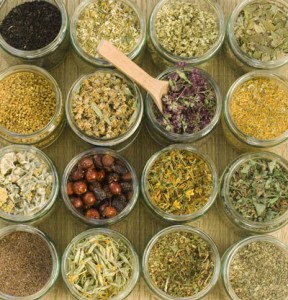
Composition :
Salix alba / bark
Urtica dioica / flower and leaf
Capsicum annuum / fruit
Calluna / heather
TEA 11 : Herbal infusion made from natural medicinal plants, third-generation formula, with no side effects.
Indications :
– Joint inflammation (arthralgia).
– Osteoarthritic pain.
– Lumbar osteoarthritis.
– Intervertebral arthrodesis.
– Cervical osteoarthritis.
– Musculoskeletal pain.
– Chronic degenerative arthropathy.
Benefits :
– Relieves pain linked to arthritis and rheumatism.
– Reduces swelling and edema while improving joint flexibility.
– Soothes muscle pain after fatigue or physical exertion.
– Supports herniated disc, cervical stiffness, and lower back pain.
– Useful for knee and foot pain caused by gout.
Enhancing effect:
For enhanced results, use Soap 311 and Cream 211 alongside.
Arthralgia and Osteoarthritis.
Arthralgia:
Arthralgia (joint pain) may or may not be accompanied by joint inflammation.
A joint consists of two bone ends protected by cartilage, often cushioned by menisci. It is sealed by a synovial capsule, filled with lubricating fluid. Muscles and tendons connect to the joint.
The cartilage, made of 70% water, collagen, and proteins, acts as a shock absorber and ensures even pressure distribution. Specialized cells called chondrocytes regenerate the cartilage structure.
Causes:
– Traumatic: sprains or fractures.
– Non-traumatic: inflammation, rheumatic diseases
In children: acute rheumatic fever, osteochondritis
Other symptoms: joint locking, cracking, swelling.
– Nocturnal pain = often linked to osteoarthritis.
– Morning stiffness = often linked to arthritis.
Osteoarthritis:
Osteoarthritis is a chronic joint disease caused by cartilage wear. It is marked by:
– Cartilage erosion and ulcerations exposing the bone.
– Bone decalcification (osteoporosis) and hardening (subchondral sclerosis).
– Formation of osteophytes (bone spurs).
– Possible synovitis (inflammation of joint capsule).
Causes:
– Physical: repeated trauma, chronic overload.
– Metabolic: obesity, metabolic syndrome (hypertension, diabetes, dyslipidemia).
– Hormonal: common in postmenopausal women due to hormonal changes Long-term.
– Hormone therapy increases cartilage thickness in the knee.
– Complications may lead to ankylosis or partial disability.
Recommendations:
– Maintain regular physical activity to control weight, strengthen muscles, and keep joints flexible.
– Treat injuries quickly (sprains, fractures).
– Eat a vitamin-rich diet (C, D, E), consider supplements (glucosamine, chondroitin).
– Avoid repetitive heavy lifting.
Treatment:
Common treatments include:
– NSAIDs (non-steroidal anti-inflammatory drugs).
– Painkillers like paracetamol and morphine.
Side effects of NSAIDs:
– Gastric problems (pain, nausea, diarrhea).
– Risk of high blood pressure.
– Dizziness or asthma attacks.
Reviews
There are no reviews yet.