



Signup for our Newsletter!
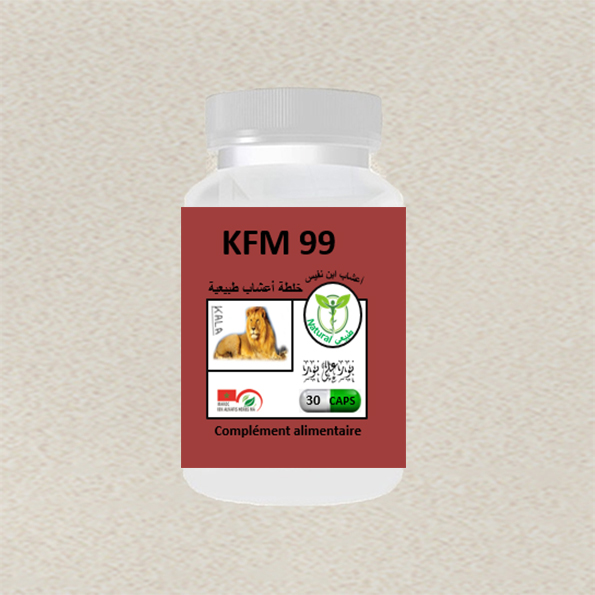
30 Capsules Small
500mg /capsule
Price : 50 $ USD
Another size
30 Capsules Big
775mg / capsule
Price : 75 $ USD
Composition:
Epimedium grandiflorum / leaves (horny goat weed)
Pimpinella anisum / seeds (anise)
Mentha piperita / leaves (peppermint)
Cinnamomum verum / bark (true cinnamon)
KL FM 99 :
Product based on natural medicinal plants, belongs of the third drug generation, it is without side effects, adjuvant in the treatment : male sexual dysfunction.
Product KL 99 G13 + is suitable for the more advanced stage, requiring a stronger therapeutic action.
Indications:
– Male sexual disorders (impotence, erection and ejaculation problems).
– High proportion of defective sperm.
– Deficiency in male sex hormones (andropause), primary or secondary infertility.
– Urogenital inflammations.
– Diseases affecting libido.
– Decline in sexual activity in elderly men.
Male Infertility
Infertility is the inability to achieve pregnancy after 1 year of regular unprotected sexual intercourse. It is linked to male factors such as abnormalities in sperm production, erectile dysfunction, or an unfavorable psychological or emotional context.
Two main causes of male infertility are:
1 / Disorders of spermatogenesis: Alteration of sperm quality, quantity and/or motility
due to:
– Chromosomal abnormalities (Klinefelter syndrome, Y-chromosome microdeletions).
– Varicocele.
– Cryptorchidism (absence of one or both testes in the scrotum).
– Trauma or reduced blood supply (ischemia) to the testes, or testicular torsion following surgery.
– History of testicular tumors.
2 / Pituitary insufficiency (hypogonadism), hormonal disorders (hyperprolactinemia) or thyroid diseases.
Excretory infertility:
– Alterations of the genital tract prevent sperm from traveling the necessary path to fertilize the egg.
– Obstruction of the seminal tract (6% of cases), either congenital (absence of seminal vesicles/vas deferens, cystic fibrosis, Young’s syndrome) or acquired after infection (tuberculosis, Chlamydia) or trauma.
– Post-infectious infertility due to previous urinary or sexually transmitted infections (urethritis, epididymitis, prostatitis).
– Autoimmune infertility (8% of cases): production of anti-sperm antibodies leading to loss of motility, agglutination, and poor migration through cervical mucus.
– Ejaculation disorders (5% of cases): retrograde ejaculation, anejaculation, or erectile dysfunction.
Lifestyle and environmental factors affecting fertility:
– Overweight or underweight.
– Work or living conditions (exposure to heat, toxic substances such as arsenic, lead, mercury, aluminum, parabens, bisphenol, or prolonged exposure to mobile phone waves).
– Stress and lack of sleep.
– Intensive sports activity.
Recommendations
Adopt a healthy lifestyle (avoid alcohol, drugs, excessive smoking or coffee).
Optimal frequency of sexual intercourse: 2 to 3 times per week (very frequent intercourse can alter semen quality).
If the semen analysis (spermogram) is normal, infertility is likely female in origin.
Female Infertility
Female infertility can be primary if the woman has never been pregnant, or secondary if there is a history of pregnancies carried to term or miscarriages. Infertility is considered definitive after several failed attempts at medically assisted reproduction.
The causes vary: ovulation disorders in about 32% of cases, tubo-peritoneal disease in 11–26% of cases, cervical mucus–sperm interaction abnormalities (hostile mucus) in 4– 15% of cases. Unexplained infertility represents 8–30% of cases.
Main causes:
1 / Biological clock:
Consider motherhood before the age of 35, as ovarian reserve decreases with age.
Female fertility peaks between 20 and 30 years of age.
2 / Ovarian disorders:
– Anovulation (absence of ovulation; no fertilizable oocytes; absent or irregular menstruation).
– Polycystic ovary syndrome (multiple cysts develop on the ovaries).
– Ovarian insufficiency or complete absence of ovulation.
3 / Hormonal disorders:
– Hyperprolactinemia (excess prolactin outside pregnancy).
Dysovulation.
Hyperandrogenism (excess secretion of male hormones).
4 / Endometriosis:
Presence of endometrial tissue outside the uterus, affecting one in two women and responsible for 30–40% of infertility cases.
5 / Morphological abnormalities:
– Uterine malformations disturbing implantation (uterine septum, intrauterine adhesions).
– Cervical abnormalities following infection or lesions, leading to impaired cervical mucus production.
– Uterine fibroids/myomas which can hinder implantation of the fertilized egg.
6 / Sexually transmitted infections (STIs):
Chlamydia infection, gonorrhea (Neisseria gonorrhoeae), leaving damage to the fallopian tubes or causing endometritis.
Advice:
– Healthy diet: low glycemic index foods (nuts, whole grains, fresh vegetables, berries, dark chocolate), polyunsaturated fats, legumes to manage weight and improve fertility.
– Folic acid (vitamin B9) to reduce preterm birth risk.
– Hydrate well, reduce stimulants.
KL FM 99 Benefits:
– Awakens sexual desire, enhances pleasure, restores sexual performance.
– Improves sexual process and delays premature ejaculation.
– Activates nerve endings in erogenous zones.
– Stimulates male sex hormones affecting libido and spermatogenesis.
– Boosts dopamine and oxytocin for increased happiness and genital blood flow.
– Balances circulation, prevents vascular fragility (elderly, diabetics, depressed, renal insufficiency).
– Improves sperm quality, increases penile blood flow for prolonged erection.
– Treats urogenital infections and balances semen Ph.
– Modulates prolactin to prevent erectile dysfunction.
– Adjusts neural-hormonal communication between brain and reproductive organs (especially in neurological/degenerative diseases).
– Improves peripheral nervous control of erection.
– Raises testosterone levels in deficient men.
– Enhances virility and immunoglobulin production to prevent severe infections.
Reviews
There are no reviews yet.