



Signup for our Newsletter!

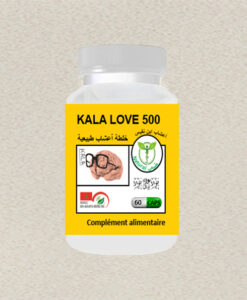
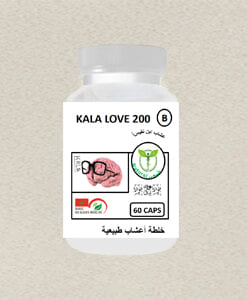
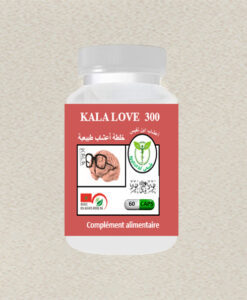
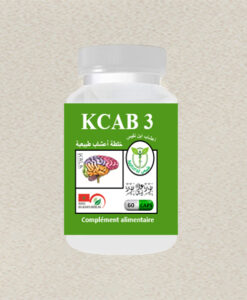
60 Capsules Small
500mg /capsule
Price : 1125 $ USD
Another size
45 Capsules Big
775mg / capsule
Price : 1265 $ USD
Composition :
Foeniculum vulgare / fruits (fennel)
Rosmarinus officinalis / leaves (rosemary)
Melissa officinalis / leaves (lemon balm)
Viola odorata / flowers (sweet violet)
Thymus serpyllum / aerial parts (wild thyme)
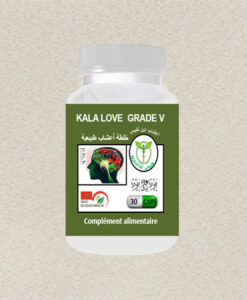
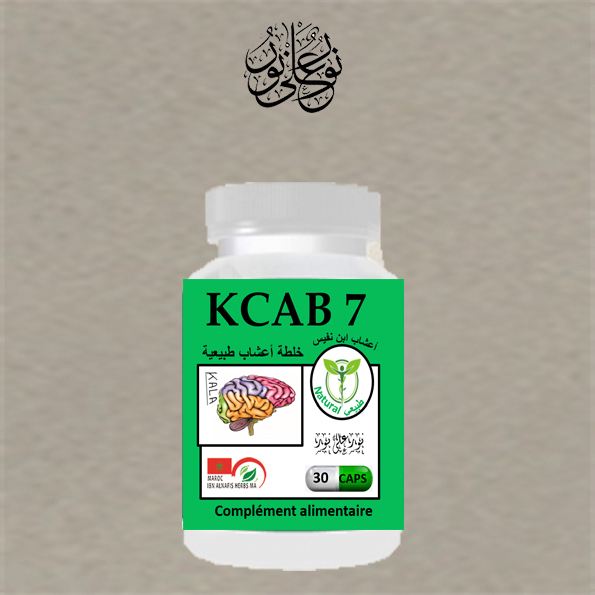
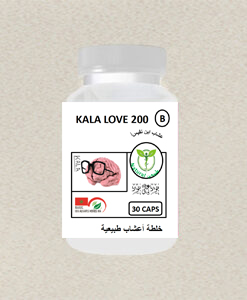
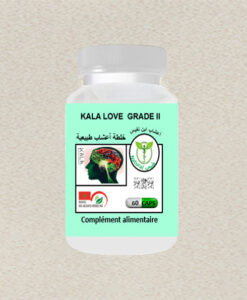
KALA LOVE GRADE :
Product based on natural medicinal plants, belongs of the third drug generation, it is without side effects, adjuvant in the treatment : various degrees of dysfunction across major body systems.
Indications :
- Brain injuries.
- Immune disorders.
- Hormonal imbalance.
- Drug addiction, withdrawal syndrome.
- Impaired gastrointestinal function.
- Respiratory disorders.
- Hematological diseases.
- Psychosomatic illnesses.
KL GRADE Classified into 5 different grades (KL Grade I – KL Grade II – KL Grade III – KL Grade IV – KL Grade V), prescribed according to the condition being treated.
- Addiction:caused by the use of psychoactive substances (soft or hard drugs), alcohol, tobacco, leading to dependence.
- Substance dependence:physical or psychological addiction to euphoric, intoxicating, stimulating, or hallucinogenic substances.
- Depression, anxiety, behavioral disorders(antisocial personality, borderline).
- Mental disorders:schizophrenia, schizoaffective disorders, psychosis, bipolar disorder, OCD, paranoia, dementia, Alzheimer’s, Parkinson’s, organic brain syndromes (due to infection or toxicity), delirium, confusion, neurodegeneration, epilepsy, brain tumors (benign/malignant), cerebral metastases, meningiomas, pituitary adenoma, ataxia, chronic fatigue, anorexia nervosa, fibromyalgia, algodystrophy, intellectual disability, phobias.
- Sensory system impairment.
- Hematological diseases:malignant blood diseases from abnormal blood or bone marrow cell development.
- Organic mental disorders: decreased mental functions due to physical illness.
- Psychosomatic disorders:physiological issues reflecting psychological problems.
- Respiratory diseases:bronchitis, COPD, sarcoidosis, lung cancer.
- Gastrointestinal diseases:Crohn’s disease, ulcerative colitis, stomach cancer.
KALA LOVE GRADE Benefits :
– Promotes the biosynthesis of neurotransmitters such as dopamine and serotonin, without inducing neurochemical imbalances likely to cause psychiatric or behavioral disorders, unlike addictive substances.
– Contributes to the normalization of intestinal microbiota metabolism.
– Stimulates the vagus nerve, a key regulator of stress response and inflammatory processes, particularly in chronic inflammatory bowel diseases such as Crohn’s disease.
– Activates enteric neurons to restore balanced intestinal peristalsis.
– Enhances endorphin release, contributing to the reduction of psychological and physical stress.
– Modulates neuronal activity in brain regions involved in stress regulation.
– Strengthens self-confidence, improves memory and concentration, and optimizes the integration of lived experiences.
– Contributes to achieving a state of well-being and fulfillment.
– Regulates phosphodiesterase activity, contributing to pulmonary pressure balance and supporting cerebral detoxification mechanisms.
– Mitigates the impact of stress, anxiety, and mental disorders on immune function.
– Stimulates hippocampal neurogenesis, a structure essential for learning processes and emotional regulation.
– Modulates pituitary activity within the framework of neuroendocrine balance.
– Reduces the immunological consequences of chronic stress, particularly in individuals with psychiatric disorders or substance dependence.
– Harmonizes the functions and interconnections of the limbic system, the primary center of emotions and memory.
– Contributes to balancing the pH of semen and cervical mucus.
KALA LOVE GRADE V :
Indications :
- Hematological diseases.
- Psychosomatic diseases.
- Brain lesions.
- Immune disorders.
- Hormonal imbalance.
KALA LOVE GRADE V Benefits: :
– Optimizes cerebral circulation by promoting the delivery of oxygen and nutrients to brain tissue, which accounts for approximately 20% of the body’s total oxygen consumption to ensure optimal functioning.
– Contributes to the maintenance of cerebral blood flow autoregulation, particularly in individuals with substance use disorders or neurodegenerative diseases.
– Mitigates the impact of neurological disorders on hemodynamics by limiting alterations in cerebral blood flow, cardiovascular imbalances, and hypoperfusion of vital organs.
Reviews
There are no reviews yet.