



Signup for our Newsletter!
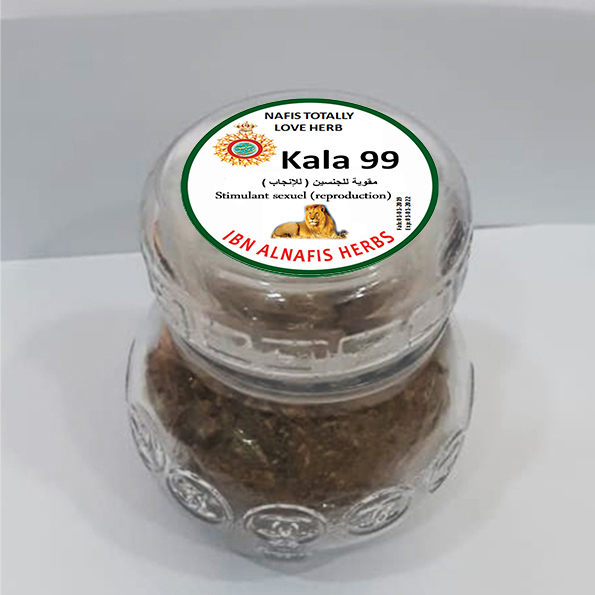
Pack Weight: 50g .
Price : 38 $ USD
Composition :
Epimedium grandiflorum / Leaves
Mentha piperita / Leaves
Cinnamomum verum / Bark
TEA 99 : Herbal infusion made from natural medicinal plants, free of side effects.
Indications :
– Sexual dysfunction.
– Infertility or sexual weakness in both men and women.
– Frigidity.
– Spermatogenesis disorders.
– Oogenesis disorders.
Benefits :
For men:
– Enhances sperm production and quality.
– Increases sexual vigor and helps reduce low libido.
– Supports physical and nervous system performance during intercourse.
For women:
– Improves ovarian function and regulates ovulation.
– Stimulates sexual desire and restores hormonal balance.
Enhanced Effect:
TEA 99 is more effective when used alongside:
– Tea 8 for fatigue or asthenia.
– Tea 57 in cases of vitamin or mineral deficiency.
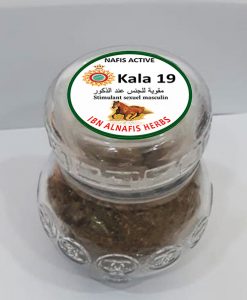
– Tea 19 for sexual desire disorders in men.
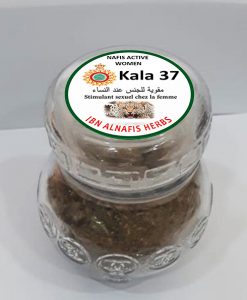
– Tea 37 for sexual desire disorders in women.
– Tea 51 in case of stress or anxiety during sexual activity.
Male Infertility
Infertility is the inability to achieve pregnancy after 1 year of regular sexual intercourse without contraception.
Male infertility (1/3 of cases) is related to male factors such as abnormalities in sperm production, erectile dysfunction, or an unfavorable psychological or emotional context.
The two main causes of male infertility are:
1- Spermatogenesis disorders:
There is an alteration in the quality, quantity, and/or motility of spermatozoa, due to:
- Chromosomal abnormalities (Klinefelter syndrome, Y chromosome microdeletions).
- Cryptorchidism (absence of one or both testes in the scrotum).
- Trauma or lack of blood flow (ischemia) to the testes, or testicular torsion following surgery.
- History of tumors.
2- Pituitary insufficiency (hypogonadism) or hormonal disorders (hyperprolactinemia, thyroid diseases).
Excretory infertility:
- Alterations of the genital tract prevent sperm from traveling the necessary path to fertilization.
- Obstruction of seminal ducts (6% of cases): may be congenital (absence of seminal vesicles, cystic fibrosis, Young’s syndrome) or acquired following infection (tuberculosis, chlamydia) or trauma.
- Post-infectious infertility: due to prior urinary or sexually transmitted infections (urethritis, epididymitis, prostatitis).
- Autoimmune infertility (8% of cases): formation of anti-sperm antibodies; sperm lose motility, agglutinate, and migrate poorly in cervical mucus.
- Ejaculation disorders (5%): retrograde ejaculation, anejaculation, erectile dysfunction.
Lifestyle and environmental factors affecting fertility:
- Overweight or underweight.
- Work/life conditions (exposure to heat, toxic substances such as arsenic, lead, mercury, aluminum, parabens, bisphenol, or prolonged exposure to mobile phone radiation).
- Stress and lack of sleep.
- Intense physical activity.
Recommendations:
- Adopt a healthy lifestyle (avoid alcohol, drugs, excessive cigarettes or coffee).
- Optimal frequency of sexual intercourse: 2–3 times per week (too frequent intercourse may impair sperm quality).
Female Infertility:
Female infertility may be primary if the woman has never been pregnant, or secondary when there is a history of previous pregnancies or miscarriages. Infertility is considered definitive after several unsuccessful attempts of assisted reproductive technology (ART).
If the spermogram is normal, infertility is of female origin.
Causes:
Causes vary. Ovulation disorders account for 32% of cases, tubo-peritoneal pathologies 11–26%, abnormal cervical mucus–sperm interaction (“hostile mucus”) 4–15%, and unexplained infertility 8–30%.
They can be classified as follows:
1- Biological clock: Maternity should be considered before age 35, as ovarian reserve declines with age. Female fertility peaks between 20–30 years.
2- Ovarian disorders:
- Anovulation or dysovulation: no production of fertilizable oocytes; absent or irregular menstruation.
- Polycystic ovary syndrome (PCOS): development of multiple ovarian cysts.
- Ovarian insufficiency or total absence of ovulation.
3- Hormonal disorders: Hyperprolactinemia (excess prolactin outside pregnancy), dysovulation, or hyperandrogenism (excess male hormones).
4- Endometriosis: affects 1 in 2 women, characterized by the presence of endometrial tissue in the ovaries; causes 30–40% of infertility cases.
5- Morphological anomalies: - Uterine malformations (septum, synechiae, scarring).
- Cervical anomalies after infection or lesion, preventing cervical mucus secretion.
- Uterine fibroids (myomas) hindering implantation of the fertilized egg.
6- Sexually transmitted infections (STIs): e.g., chlamydia, which damages fallopian tubes or causes endometritis.
Recommendations:
- Favor a healthy diet: low-glycemic index foods (nuts, whole grains, legumes, red fruits, dark chocolate), polyunsaturated fats.
- Consume folic acid (vitamin B9) to reduce risk of premature birth.
- Stay well hydrated and reduce stimulant drinks.
- Maintain good sexual hygiene (avoid multiple partners), preserve vaginal flora.
- Consider phytotherapy to regulate the menstrual cycle, improve endometrial and cervical mucus quality, and enhance sperm quality.
Reviews
There are no reviews yet.