




Signup for our Newsletter!
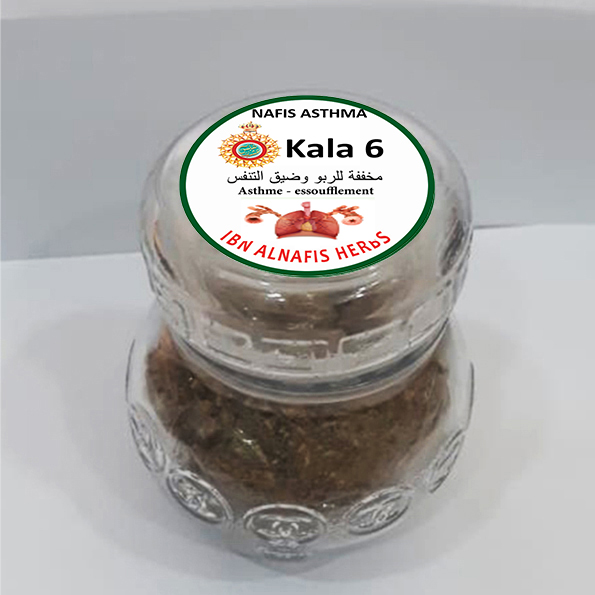
Pack Weight: 50g .
Price : 18 $ USD
Composition :
Thymus vulgaris / leaf
Ammi visnaga / fruit
Myrtus communis / leaf
Sambucus nigra / flower
Mentha piperita / leaf
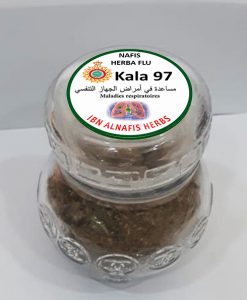
TEA 6 : Herbal infusion made from natural medicinal plants, third-generation formulation, with no side effects.
Indications :
– Asthma.
– Respiratory allergy.
– Respiratory tract infection.
– Prevention of asthma or asphyxia attacks.
Benefits :
– Reduces the frequency and intensity of asthma attacks.
– Soothes bronchial spasms and dyspnea (breathing difficulty).
– Eases allergic cough and respiratory wheezing.
– Supports treatment of respiratory tract inflammation.
– Prevents pulmonary relapses and improves breathing quality.
Enhancing effect:
The effect of Tea 6 is more beneficial when combined with:
– Flu or cold: infusion 12.
– Respiratory infections: infusion 46.
– Productive cough: infusion 5.
ASTHMA
Asthma is a chronic disease characterized by inflammation of the airways (bronchi and bronchioles), leading to difficulty breathing, shortness of breath, wheezing, and chest tightness.
It is a chronic condition manifesting as attacks separated by symptom-free periods. Permanent respiratory discomfort interferes with daily life.
Asthma results from abnormal airway reactivity to various stimuli (airborne allergens, smoke, etc.), and involves both genetic and environmental risk factors.
In 80% of cases, asthma is linked to respiratory allergies. Patients have hyperreactive bronchi to specific substances.
Inflammation leads to thick mucus production, obstructing airflow. The bronchial muscles contract, narrowing the airways and causing breathing difficulty.
Triggers of asthma attacks include:
– Airborne allergens (dust, pollen, animal dander, mites).
– Air pollutants (smog, smoke).
– Certain foods or food additives.
– Medications (aspirin, beta-blockers, NSAIDs).
– Respiratory infections (cold, bronchitis, sinusitis).
Uncontrolled asthma may lead to chronic symptoms, respiratory distress, and life-threatening conditions.
Treatment:
Asthma treatment aims to control inflammation and reduce the number and severity of attacks.
It includes:
– Corticosteroids (inhaled or oral): reduce bronchial inflammation and prolong dilation.
– Long-acting bronchodilators: quickly open airways during attacks.
– Inhaled anticholinergics: act locally on bronchial muscles.
Side effects may affect the digestive, cardiac, or neurological systems.
Asthma has various phenotypes, and treatment must be individualized.
In allergic asthma, monoclonal antibody injections can suppress the allergic-inflammatory cascade and promote tolerance over time.
Patients must monitor their respiratory capacity and avoid all known triggers or worsening factors.
Reviews
There are no reviews yet.