




Signup for our Newsletter!
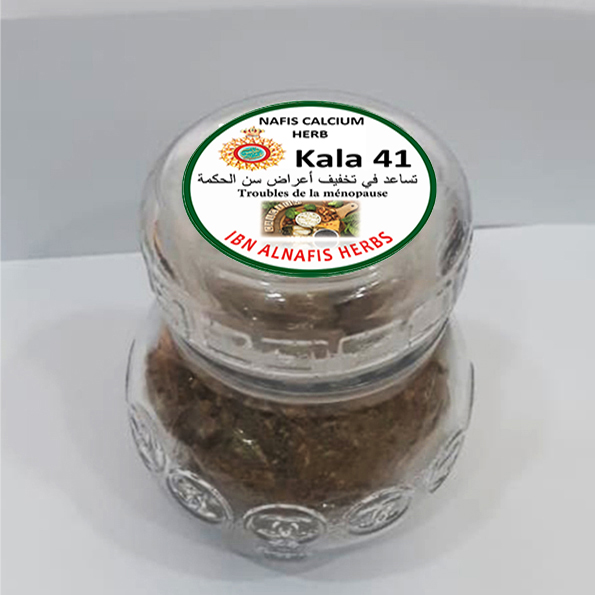
Pack Weight: 50g .
Price : 25 $ USD
Composition :
Rosmarinus officinalis / leaves
Pimpinella anisum / fruits
Humulus lupulus / flowers
Verbena officinalis / whole plant
Hypericum perforatum / flowers and buds
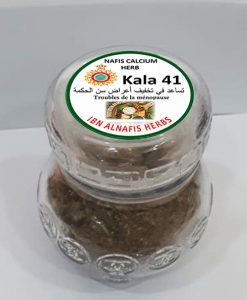
TEA 41 : Herbal infusion made from natural medicinal plants with no side effects.
Indications :
– Menopausal symptoms.
– Hot flashes.
– Discomfort and malaise.
– Prevention of osteoporosis.
Benefits :
– Alleviates menopausal symptoms thanks to its content of natural phytoestrogens.
– Reduces hot flashes, sudden sweating, and improves sleep quality.
– Supports mental well-being, reduces anxiety and stress.
Enhanced effect:
The effect of TEA 41 is more beneficial when also taken with:
– Hot flashes: TEA 25.
– Mood disorders: TEA 31.
– Vaginal dryness: TEA 51.
Menopause:
Menopause is a natural physiological process marking the end of a woman’s reproductive period. It is defined as the permanent cessation of menstruation and typically occurs around age 50. Early menopause may occur around age 40, while late menopause happens after 55 — with heredity playing a significant role.
Premenopausal signs appear 2–3 years before menopause and include irregular menstrual cycles: shorter or longer periods, lighter or heavier bleeding, and missed cycles lasting several months.
Physical Symptoms:
– Hot flashes and night sweats.
– Vaginal dryness and pain during intercourse.
– Urinary incontinence due to pelvic floor relaxation or repeated infections.
– Joint pain.
– Weight gain.
– Hair loss.
– Fatigue and reduced energy.
Psychological Symptoms:
– Insomnia.
– Irritability, frequent crying, anxiety, depression.
– Difficulty concentrating.
– Memory lapses.
Causes of Menopause:
Menopause results from a decline in ovarian follicle count — dropping below 1,000 compared to about one million at birth. Only 400–500 oocytes are ovulated during the reproductive years; the rest undergo natural apoptosis.
Premature ovarian insufficiency (POI) may cause early menopause and is often due to:
– Autoimmune diseases (hypothyroidism, hyperparathyroidism, celiac disease, type 1. diabetes, rheumatoid arthritis, Graves’ or Addison’s disease).
– History of chemotherapy, radiotherapy, or ovarian surgery.
– Family history.
Late menopause (after 55) is mainly genetic and has certain benefits: reduced cardiovascular risks and a protective effect on bone density and osteoporosis. A longer estrogen exposure delays demineralization of bones.
Reviews
There are no reviews yet.