



Signup for our Newsletter!
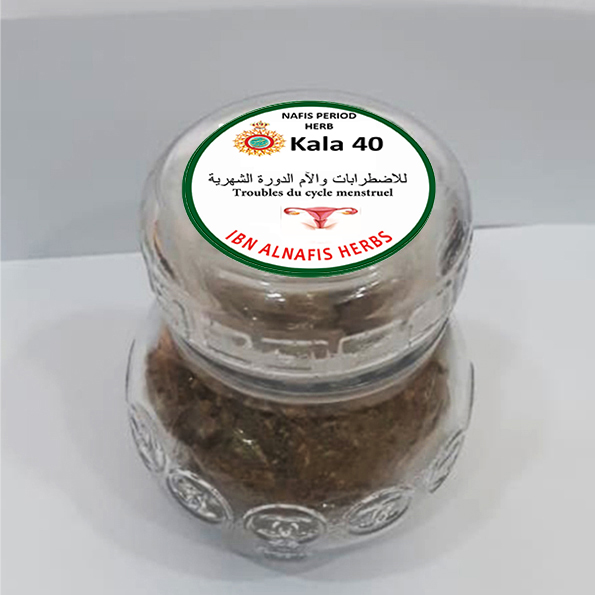
Pack Weight: 50g .
Price : 18 $ USD
Composition :
Cinnamomum aromaticum / bark
Inula helenium / rhizomes
Verbena officinalis / whole plant
Artemisia absinthium / whole plant
Capsella bursa-pastoris / aerial parts
TEA 40 : Herbal infusion made from natural medicinal plants with no side effects
Indications :
– Menstrual pain.
– Pelvic pain.
– Menstrual cycle disorders (timing, duration, frequency).
– Mood disturbances.
Benefits :
– Relieves dysmenorrhea and painful uterine cramps.
– Soothes the nervous system and improves mood during the menstrual period.
– Regulates the menstrual cycle in terms of date, intensity, and duration.
– Provides physical and emotional stability.
Enhanced effect:
The effect of TEA 40 is increased when combined with:
– Fatigue or asthenia: TEA 8.
– Sleep disturbances: TEA 24.
– Stress or anxiety: TEA 25.
Understanding the Menstrual Cycle:
The first day of menstruation marks day one of the menstrual cycle, which typically lasts between 23 and 35 days and includes:
- Follicular Phase:
FSH (follicle-stimulating hormone) secreted by the pituitary gland stimulates the maturation of ovarian follicles and estrogen production. One dominant follicle matures and thickens the uterine lining in preparation for possible implantation. - Ovulation:
A surge in estrogen triggers a sharp rise in LH (luteinizing hormone), causing the follicle to rupture and release a mature egg. The egg travels through the fallopian tubes to the uterus and survives 24 hours. - Luteal Phase / PMS:
The follicle becomes the corpus luteum, producing progesterone and estrogen. In the absence of fertilization, hormone levels drop, causing premenstrual symptoms such as breast tenderness, bloating, irritability, and mood swings. - Menstruation:
The uterine lining sheds due to declining estrogen and progesterone levels, marking the start of a new cycle. If fertilization has occurred, the embryo signals the ovary to maintain hormone production via hCG until the placenta takes over.
Dysmenorrhea (Menstrual Cramps):
Affects 50–80% of women of reproductive age, especially adolescents and women.
Approaching menopause. Pains are caused by uterine contractions linked to excess prostaglandin F2a, also associated with nausea, headaches, and vomiting. Elevated vasopressin levels can intensify contractions.
Prostaglandin F2a is stimulated by oxytocin and leads to luteolysis and the cessation of progesterone production when no implantation has occurred.
Dietary Tips to Reduce Prostaglandins Naturally:
– Limit refined sugars.
– Supplement with vitamins B1, B6, E, and omega-3 ( flaxseed, walnut, soy).
– Avoid refined grains (white bread, white rice, potatoes).
– Consume: pomegranate, pineapple, tomato, garlic, onion, green tea – all rich in anti-inflammatory and antimicrobial properties.



Reviews
There are no reviews yet.