



Signup for our Newsletter!
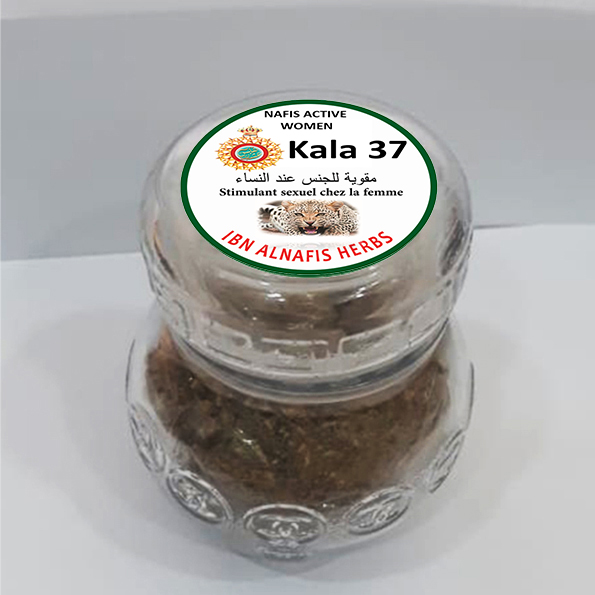
Pack Weight: 50g .
Price : 25 $ USD
Composition :
Panax ginseng / roots
Cinnamomum aromaticum / bark
Capsicum annuum / fruits
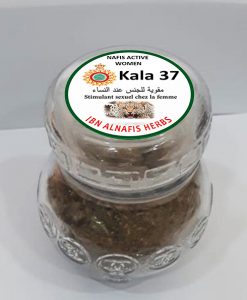
TEA 37 : Herbal infusion made from natural medicinal plants with no side effects.
Indications :
– Female sexual dysfunction.
– Disorders of female sexual function.
– Frigidity.
– Disorders of sexual desire in women.
– Low female libido.
Benefits :
– Helps restore hormonal balance and facilitates orgasm.
– Enhances self-confidence and inner calm during intimacy.
– Reduces the psychological stress that impairs sexual response.
Enhanced effect:
The effect of TEA 37 is more beneficial when also taken with:
– Infertility: TEA 99.
– Anxiety during sexual intercourse: TEA 51.
– Stress or emotional tension: TEA 25.
– Mood disorders: TEA 31.
Female Sexual Dysfunction (FSD):
FSD refers to difficulties a woman experiences during any stage of the sexual response cycle — including desire, arousal, or orgasm.
– Low Sexual Desire (Hypoactive Sexual Desire Disorder):
Defined by a persistent or recurrent lack of desire or libido, either general or situational. Causes include hormonal decline (low estrogen or testosterone), aging, fatigue, pregnancy, medications, depression, or anxiety.
– Arousal Disorder / Frigidity:
Characterized by lack of vaginal lubrication or sensation. May result from chronic illness, use of antidepressants or antipsychotic drugs.
– Orgasmic Disorder (Anorgasmia):
Inability or delay in reaching orgasm despite adequate stimulation. Causes may be physical, psychological, or pharmacological.
– Painful Sexual Disorders:
- Dyspareunia: Pain during intercourse, often due to vaginal dryness caused by low estrogen levels during menopause, pregnancy, or breastfeeding, or due to infections like candidiasis or conditions like endometriosis.
- Vaginismus: Involuntary spasm of the vaginal muscles, often caused by fear, trauma, or anxiety.
- Anorgasmia / Frigidity:
- Primary: Woman has never had an orgasm.
- Secondary or Acquired: Orgasms were once possible but have ceased.
- Situational vs. Systematic: Orgasm may depend on circumstances or be consistently absent.
Contributing Factors to FSD:
– Age, education level, cultural/religious beliefs.
– Knowledge of one’s own body and sexual communication with a partner.
– History of trauma (e.g., sexual assault, abuse).
– Depression, anxiety, or use of substances (alcohol, drugs, antidepressants, antipsychotics).
– Relationship difficulties.
– Underlying medical conditions: spinal injury, diabetes, multiple sclerosis, hypothyroidism, hysterectomy.
– Hormonal transitions: pregnancy, breastfeeding, menopause.
Important Note:
Anorgasmia is not a disease but a functional disorder. It has no chemical cure. Treatment is based on psychological and behavioral approaches:
– Pelvic floor muscle training.
– Building a healthy, trusting relationship.
– Exploring body awareness and pleasure.
– Reducing stress and improving overall well-being.
Reviews
There are no reviews yet.