



Signup for our Newsletter!
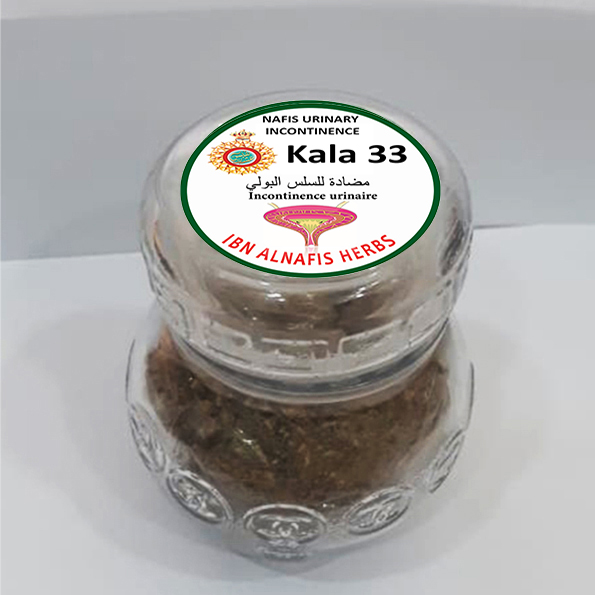
Pack Weight: 50g .
Price : 30 $ USD
Composition :
Plantago lanceolata / leaves
Urtica dioica / seeds
Humulus lupulus / fruits
Cinnamomum aromaticum / bark
TEA 33 : Herbal infusion made from natural medicinal plants with no side effects.
Indications :
– Urinary incontinence.
– Bladder emptying disorders.
– Anxiety and discomfort associated with urinary leakage.
– Nocturnal enuresis (bedwetting).
Benefits :
– Helps manage involuntary nocturnal enuresis in both children and adults.
– Supports bladder emptying and improves functional capacity of small bladders.
– Promotes calmness and restores self-confidence.
– Suitable for children, the elderly, stroke survivors, and diabetic patients suffering from urinary incontinence.
Complementary Support:
The effectiveness of TEA 33 may be enhanced when combined with:
– TEA 36 for urinary tract infections.
– TEA 65 for nervous or hyperactive children.
Urinary Incontinence:
Urinary incontinence is the involuntary and uncontrollable loss of urine, occurring during the day or night. It can result from various causes:
– Stress incontinence: Triggered by increased abdominal pressure (e.g., physical effort, coughing, sneezing, laughter). Weak pelvic floor muscles or sphincter dysfunction (e.g., after prostate surgery) can cause leakage without the urge to urinate.
– Urgency incontinence: Caused by overactive or uninhibited bladder, often linked to neurological conditions. The micturition control center, located in the frontal lobe, may be impaired due to stroke or neurodegenerative diseases.
– Mixed incontinence: Combination of stress and urgency types.
– Overflow incontinence: Caused by excessive urine accumulation due to bladder outlet obstruction or poor detrusor muscle function (e.g., from diabetes or prostate disorders).
– Functional incontinence: Physical or mental conditions prevent timely access to toilets.
– Total incontinence: Continuous urine leakage due to severe physical trauma, spinal cord injury, or destruction of the urinary sphincter.
Treatment Approaches:
– Pelvic floor rehabilitation by a physiotherapist.
– Surgical options, such as TVT (Tension-free Vaginal Tape) for urethral support.
– Pharmacological treatment, including anticholinergic drugs to reduce detrusor muscle contractions and increase bladder capacity.
Reviews
There are no reviews yet.