




Signup for our Newsletter!
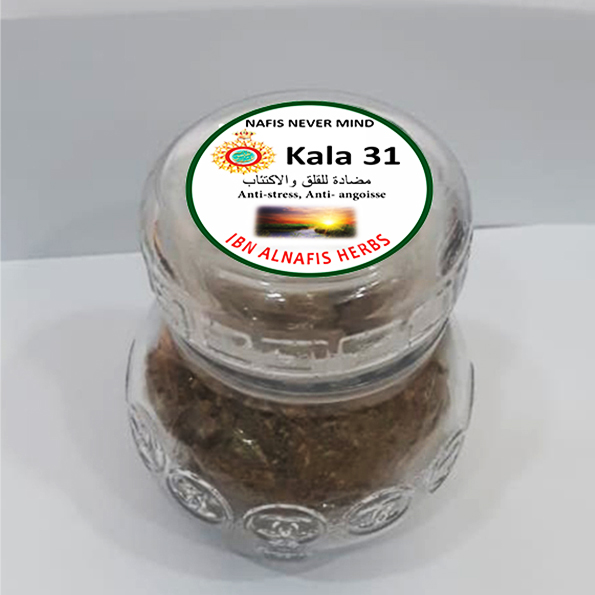
Pack Weight: 50g .
Price : 44 $ USD
Composition :
Melissa officinalis / leaves
Humulus lupulus / flowers
Hypericum perforatum / flowers
Ocimum basilicum / entire plant
TEA 31 : Herbal infusion made from natural medicinal plants with no side effects.
Indications :
– Worry, anxiety, depression.
– Stress, insomnia.
– Mood disorders, irritability.
– Organic psychiatric disorders.
Benefits :
– Soothes anxiety and nervous tension.
– Natural antidepressant, helps restore emotional balance.
– Regulates the body’s stress response safely.
– Does not cause dependency or addiction.
Enhancing effect:
The effect of TEA 31 is more beneficial when combined with:
– Gastric problems → Tea 22.
– Insomnia → Tea 24.
– Fatigue or asthenia → Tea 8.
– Irritable bowel syndrome → Tea 16.
Mood Disorders:
Worry is an emotional state caused by fear, apprehension, and uncertainty.
Anxiety is a psychological condition triggered by the fear of danger. Anxiety disorders may manifest as panic attacks, phobias, or generalized anxiety.
Normal occasional anxiety differs from persistent, excessive anxiety that affects quality of life. If symptoms persist, they may lead to a mental health disorder requiring care.
Common anxiety disorders include:
– Generalized anxiety disorder.
– Panic disorder (with or without agoraphobia).
– Social anxiety disorder.
– Specific phobias (e.g., fear of heights, spiders).
– Obsessive-compulsive disorder.
– Post-traumatic stress disorder (e.g., due to bereavement, natural disasters, incurable illnesses).
Symptoms:
– Feelings of fear, worry, panic, or discomfort.
– Heart palpitations, sweating, tremors.
– Shortness of breath, dry mouth, choking sensation.
– Chest pain, nausea, dizziness.
– Tingling or numbness in limbs.
– Sleep disturbances, diarrhea, indigestion.
– Judgment and reasoning affected by sadness, anxiety, and pessimism.
Anxiety disorders can vary in severity. Some individuals cannot lead a normal life; others experience unpredictable episodic crises triggered by certain events.
Depression:
A profound emotional pain that leads to deep suffering. It follows a state of gloom, taints the perception of the present, past, and future, and inhibits the ability to feel joy. Life feels empty, the future hopeless, and suicidal thoughts may arise.
Types of depression:
– Neurotic vs. psychotic (with delusions).
– Psychogenic vs. endogenous (linked to life events vs. biological factors).
– Reactive vs. autonomous (linked to external events vs. no clear cause).
Symptoms – Behavioral:
– Psychomotor slowing, chronic fatigue.
– Paralysis of thought and action, clinophilia, neglect, loss of initiative.
– Suicidal ideation (especially in severe cases with history or established plan).
– Mood disorders: hostility, irritability, addictions.
– Eating disorders: anorexia, bulimia.
– Homicidal impulses (in rare cases of distorted perception).
Symptoms – Physical:
– Weight loss, loss of taste, throat constriction.
– Sleep disturbances: insomnia, nightmares, hypersomnia.
– Loss of libido: impotence, frigidity.
– Digestive issues: constipation, gastralgia, slow transit.
– Cardiovascular signs: palpitations, vasomotor flushes, hypotension.
Causes:
– Psychological: chronic anxiety, low self-esteem.
– Biological: hormonal changes (puberty, pregnancy, menopause), neurological diseases, hereditary predisposition, or neurotransmitter imbalances.
Treatment:
– Antidepressants and anxiolytics.
– Cognitive-behavioral therapy to manage stress, negative thoughts, and behavior.
– Magnesium for emotional balance; vitamin B6 enhances magnesium absorption.
– Caution: long-term anxiolytic use may lead to dependence.
– Supportive therapies: psychotherapy, relaxation, mindfulness, and sophrology.


Reviews
There are no reviews yet.