




Signup for our Newsletter!
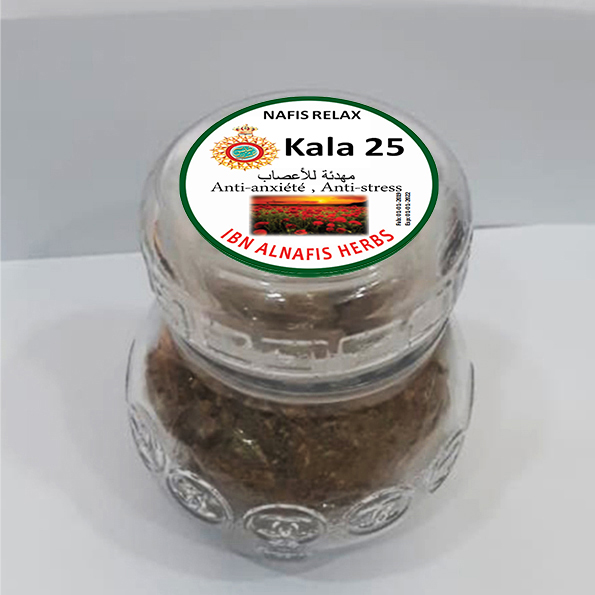
Pack Weight: 50g .
Price : 18 $ USD
Composition :
Hypericum perforatum / flowers
Humulus lupulus / flowers
Melissa officinalis / leaves
TEA 25 : Herbal infusion made from natural medicinal plants, with no side effects.
Indications :
– Nervousness.
– Stress.
– Psychological distress.
– Mental tension.
– Psychosomatic disorders.
Benefits :
– Reduces irritability, stress, and daily psychological tension.
– Gently improves mood without causing dependence or addiction.
– Useful in psychosomatic conditions such as nervous stomach pain and irritable bowel syndrome.
Enhancing Effect:
The effect of TEA 25 is more beneficial when combined with:
– TEA 24 for insomnia.
– TEA 31 for anxiety.
– TEA 22 for gastric ulcer.
– TEA 16 for irritable bowel syndrome.
– TEA 8 for fatigue and asthenia.
The Nervous System:
The nervous system is a biological system responsible for coordinating actions with the environment and communicating between different parts of the body. It governs voluntary and involuntary actions, conscious and unconscious sensations, and regulates organ function and emotions.
The cognitive brain is the center of intellect.
The central nervous system (CNS) consists of the brain (cerebrum, cerebellum, brainstem) located in the skull and the spinal cord located in the spinal canal. It receives, interprets, and responds to signals from the body.
The peripheral nervous system (PNS) includes cranial and spinal nerves that transmit sensory and motor information between the CNS and the rest of the body.
Stress – A Disease of the Modern Age:
While acute stress is a protective evolutionary response to danger, chronic stress is harmful. Persistent stress affects brain structure and function.
It causes variations in:
– Neurotransmitters.
– Hormonal balance.
– Amygdala size and connectivity.
– Cortisol levels.
Excess cortisol can:
– Trigger overproduction of unwanted brain cells.
– Lead to loss of synapses.
– Weaken neural plasticity.
– Shrink the hippocampus, center of memory and emotion.
Symptoms of Chronic Stress:
– Fatigue.
– Irritability.
– Depressive signs.
– Sleep disorders.
– Irritable bowel syndrome.
– Autoimmune dysfunction.
Neurotoxicity is not permanent.
Appropriate antidepressant therapy can block harmful stress effects.
The brain is adaptable and capable of forming new neural networks.
Additional Recommendations:
– Eat a healthy diet.
– Engage in regular physical activity.
– Exercise stimulates new blood vessels and neurons, increasing hippocampal volume.
– Practice mindfulness meditation, which lowers cortisol and enhances brain structure and connectivity.
– Non-drug therapies like acupuncture, massage therapy, and psychotherapy are also beneficial.
Reviews
There are no reviews yet.