



Signup for our Newsletter!
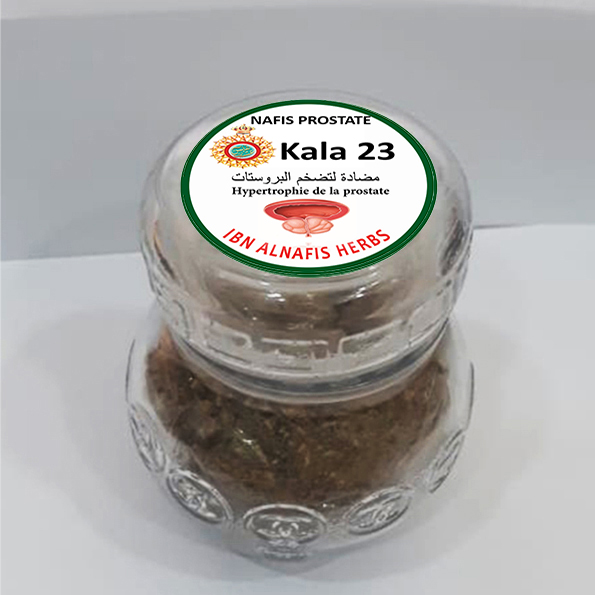
Pack Weight: 50g .
Price : 18 $ USD
Composition :
Cucurbita pepo / seeds
Cinnamomum aromaticum / bark
Populus alba / (buds)
Urtica dioica / (roots)
TEA 23 : Herbal infusion made from natural medicinal plants, with no side effects.
Indications :
– Prostate hypertrophy and prostate infections.
– Prostate-related problems: dysuria (difficulty urinating), dyspareunia (pain during sexual intercourse).
– Sexual difficulties.
– Prevention of benign prostatic hyperplasia (BPH).
Benefits :
– Prevents benign prostatic hyperplasia in men and alleviates its symptoms.
– Reduces urinary retention, pain, sexual difficulties, and frequent nighttime urination.
Enhancing Effect:
The effect of TEA 23 is more beneficial when combined with:
– TEA 36 for urinary tract infection.
– TEA 2 for urinary stones.
– TEA 53 for renal colic.
– TEA 51 for sexual dysfunction.
– TEA 19 for sexual weakness.
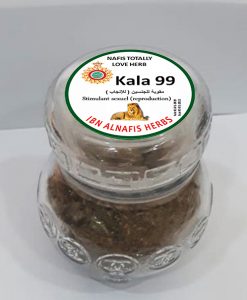
– TEA 99 for infertility problems.
The Prostate:
The prostate is a gland of the male reproductive system, located between the pubis and the rectum, surrounding the urethra (the channel that carries urine from the bladder). It lies beneath the bladder and in front of the rectum. It weighs about 25 g and measures 3 cm in length and 4 cm in width.
Its size increases with age, reaching double or triple its normal volume after the age of 60.
Functions:
– Produces 10–30% of seminal fluid.
– Contains specialized cells:
– Glandular cells secrete fluid for ejaculation.
– Muscular cells aid in sperm expulsion.
– Fibrous tissue maintains glandular structure.
– Composed of three zones: transitional, central, and peripheral.
Benign prostatic hyperplasia (BPH) affects the transitional zone, which enlarges with age.
The prostate secretes a prostatic fluid rich in enzymes, proteins, and minerals that nourish and protect sperm. It facilitates ejaculation and supports fertility through enzymes that assist sperm penetration into the cervix.
Prostate Disorders Include:
– Acute and chronic prostatitis.
– Prostate congestion (prostatic adenoma).
– Benign or malignant prostatic hypertrophy.
– BPH, which originates in the upper part of the gland and affects men over 50; its incidence increases with age and peaks at 80 years (24%).
In BPH, glandular architecture is preserved but shows nodular growth and hyperplasia of smooth muscle, epithelial, and fibroblastic components.
Mechanisms include:
– Sympathetic contraction of smooth muscle cells.
– Androgen-stimulated glandular and connective tissue hyperplasia (DHT-driven).
– Smooth muscle contraction (dynamic).
– Gland volume increase (static).
Symptoms:
– Increasing urge to urinate (first nocturnal, then daytime).
– Painful urination.
– Weak urine stream.
– Straining to initiate urination.
– Interrupted stream with urinary retention.
-Sensation of incomplete bladder emptying.
– Blood in the urine.
– In advanced cases: renal insufficiency.
– Decreased ejaculation force.
Recommendations:
– Drink plenty of fluids.
– Avoid sexual stimulants and arousing content.
– Do not massage the prostate in chronic infections.
– Reduce the frequency of sexual intercourse.
– Avoid masturbation.
– Treat constipation if present.
– For men over 40, have annual PSA screenings.
Reviews
There are no reviews yet.