



Signup for our Newsletter!
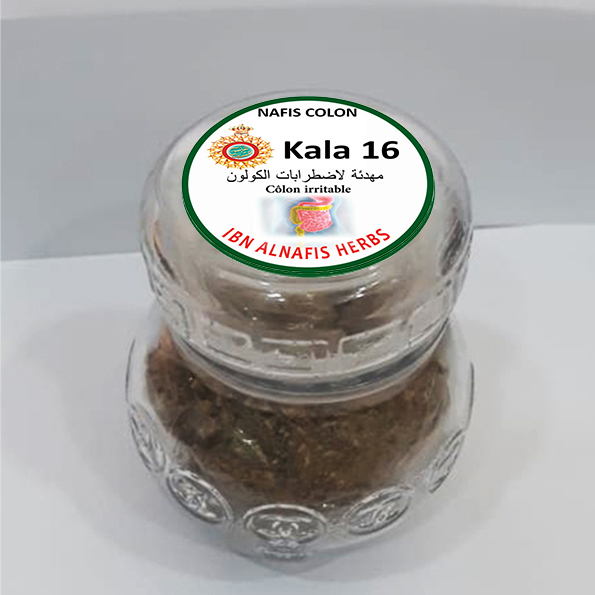
Pack Weight: 50g .
Price : 25 $ USD
Composition :
Foeniculum vulgare / fruit
Matricaria recutita / flowers
Mentha piperita / leaves
Plantago lanceolata / leaves
Linum usitatissimum / seeds
TEA 16 : Herbal infusion made from natural medicinal plants, free of side effects.
Indications :
– Ulcerative colitis or hemorrhagic rectocolitis.
– Indigestion, bloating, aerophagia.
– Colon spasms.
Benefits :
– Treats irritable bowel syndrome (IBS) and its inflammations.
– Relieves colonic spasms and reduces abdominal cramps.
-Improves digestion, eliminates gas, and reduces bloating.
Enhancing Effect:
The effect of TEA 16 is more beneficial when combined with:
– TEA 4 for indigestion.
– TEA 7 for bloating and intestinal gas.
– TEA 10 for constipation.
– TEA 88 for weight loss and gastric problems (in cases of obesity or overweight).
The Colon:
The colon is the segment of the large intestine located between the cecum and the rectum in mammals. It measures about 1.5 meters in length, 4 cm in diameter, and holds about 1.8 liters in volume.
Its main roles are waste storage, water recovery, maintaining fluid balance, and absorption of certain vitamins. Its pH ranges from 4.5 to 7.5.
Water and electrolyte absorption are controlled by nervous and hormonal regulation, particularly by aldosterone, which promotes potassium excretion and sodium absorption.
Common Colon Diseases Include:
– Aerocolia.
– Colitis.
– Diarrhea.
– Crohn’s disease.
– Colorectal polyposis.
– Ulcerative colitis.
– Sigmoiditis.
– Functional colopathy (Irritable Bowel Syndrome – IBS).
Irritable Bowel Syndrome (IBS):
IBS is characterized by abdominal pain, discomfort, bloating, and altered bowel habits such as diarrhea or constipation.
It evolves in flare-ups interspersed with periods of remission.
Its causes include intestinal motility disorders, hypersensitivity of the intestinal wall, inflammation due to microbiota imbalances, and dietary triggers such as lactose or gluten intolerance.
Crohn’s Disease:
Crohn’s disease is a chronic inflammatory condition affecting the large intestine, particularly the ileum, colon, and anus.
It progresses in flare-ups and remissions, marked by abdominal pain and diarrhea.
The intestinal wall thickens, and fissures and ulcers may develop.
Causes include genetic, autoimmune, and environmental factors.
Complications May Include:
– Bowel obstruction.
– Gastrointestinal bleeding or ulcers.
– Perianal lesions.
– Risk of colon cancer over time.
Consequences:
– Malnutrition.
– Growth delay in children/adolescents.
– Iron-deficiency anemia.
– Arthritis.
– Various types of inflammation.
– Kidney or gallbladder stones.
– Miscarriage in pregnant women.
There is no specific chemical cure for IBS. Management involves dietary modifications to eliminate trigger foods.
Drugs are prescribed to reduce pain by targeting bowel movements and contractions.
For constipation:
– Fiber supplements, bulk-forming laxatives, or stool softeners.
– Osmotic or stimulant laxatives (as last resort).
For diarrhea:
– Anti-diarrheal medications.
For pain:
– Antispasmodics help relax intestinal muscles.
– Low-dose antidepressants may reduce gut sensitivity.
Advice:
– Follow a personalized diet.
– Avoid stress and negative emotions.
– Engage in physical activity (e.g., walking, swimming).
– Consider massage therapy (key to well-being).
– Fasting can aid detoxification.
Meditation enhances attention, memory, and reduces age-related cognitive decline and anxiety.
Know with certainty: diagnosis and medication are means, but only Allah the Almighty is the true healer.
Reviews
There are no reviews yet.