


Signup for our Newsletter!
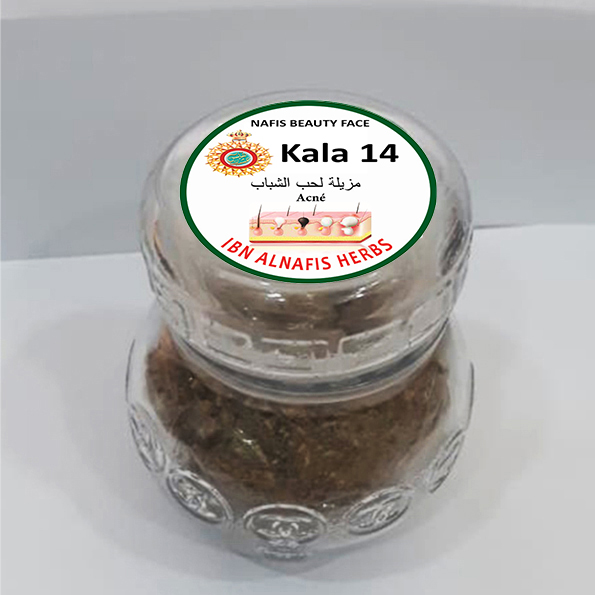
Pack Weight: 50g .
Price : 18 $ USD
Composition :
Melaleuca alternifolia / leaves
Calendula officinalis / flowers
Camellia sinensis / leaves
Matricaria recutita / flowers
TEA 14 : Herbal infusion made from 100% natural medicinal plants, with no side effects.
Indications :
– Acne.
– Hormonal secretion disorders.
– Nervous tension and stress.
Main Benefits :
– Naturally balances testosterone and progesterone levels.
– Reduces sebum secretion and clears impurities from skin pores.
– Provides natural anti-inflammatory and antibacterial action.
Synergistic Support:
The effect of TEA 14 is enhanced when combined with:
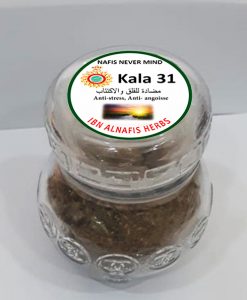
– TEA 31 for stress.
– Cream 203.
– Soap 303.
Acne:
Acne is a common, chronic dermatological condition that usually appears during adolescence. It is characterized by the appearance of red pimples, blackheads, and cysts, primarily on the face, chest, torso, and sometimes even the scalp.
Acne affects the pilosebaceous system, as it reflects the hyperactivity of sebaceous glands that produce sebum – a natural skin lubricant. When sebum is overproduced, it clogs the gland ducts, creating an environment conducive to bacterial proliferation, particularly Propionibacterium acnes, which triggers inflammation.
Obstructed follicles can lead to retentional lesions, due to dilation and blockage.
Key Causes and Aggravating Factors:
– Hormonal factors: particularly androgenic hormones like testosterone during puberty, but also hormonal fluctuations in women (menstruation, pregnancy, menopause, contraceptive use).
– Immune dysfunction: can cause abnormal follicular keratinization.
– Stress, smoking, and poor diet: known to worsen symptoms.
– Tanning: temporarily improves the appearance but long-term heat exposure worsens breakouts.
– Pollutants and pesticides: can disrupt endocrine balance.
– Medications: such as antiepileptics, anabolic steroids, and antidepressants may trigger acne.
– Parasites: such as Demodex folliculorum, which interacts with other acne-associated bacteria.
Types of Acne Include:
– Nodulocystic acne.
– Acne conglobata (with abscesses and fistulas).
– Pediatric or juvenile acne.
– Drug-induced or exogenous acne.
– Acne secondary to systemic disease or associated with rosacea and psychiatric factors.
Conventional Treatments:
Medical treatments often last from months to years, with modest short-term effects:
– Topical creams and medicinal ointments.
– Drugs targeting inflammatory mediators.
– Zinc (reduces sebum production).
– Vitamin B5.
– Certain contraceptive pills.
– Antibiotic therapy or blue light therapy (420 nm), destroying bacteria via free radicals.
– Combined therapies often yield better results.
Innovative Therapies:
– Vaccines targeting the immune response against P. acnes.
– Phage therapy based on viral DNA sequencing, avoiding antibiotic resistance.
– Targeted treatments isolating the gene responsible for endolysin synthesis, an enzyme that destroys P. acnes membranes.
– Microbiome support: encouraging the growth of beneficial Staphylococcus epidermidis reduces P. acnes presence.
Reviews
There are no reviews yet.