




Signup for our Newsletter!
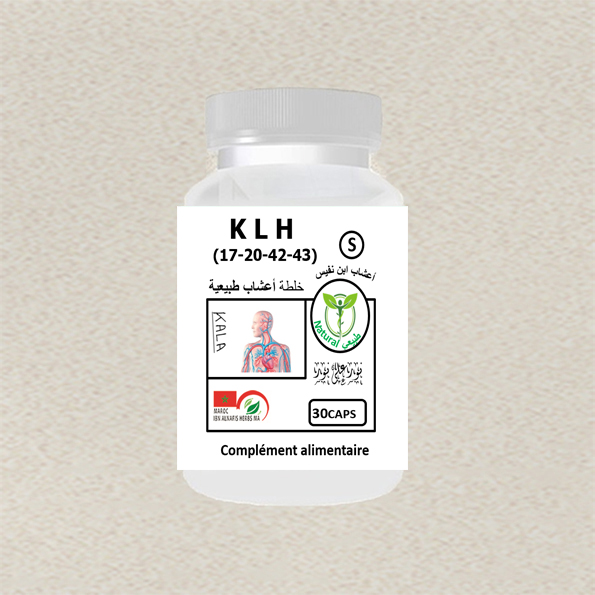
30 Capsules Small
500mg /capsule
Price : 50 $ USD
Another size
30 Capsules Big
775mg / capsule
Price : 75 $ USD
Composition:
Agropyron repens / roots
Taraxacum officinale / leaves
Ginkgo biloba / leaves
Olea europaea / leaves
KL H (17-20-42-43) :
A product based on natural medicinal plants, part of the third generation of medicines, with no side effects, used as an adjuvant in the treatment of cardiovascular diseases and arteriosclerosis.
Indications :
– Cardiovascular disorders.
– Arteriosclerosis.
– Anomalies of systemic and pulmonary circulation.
– Hypertension.
– Lipid metabolism disorders.
– Hyperlipidemia
– Hepatic steatosis.
– Prevention of heart attacks and strokes (cerebrovascular accidents).
The Heart :
The heart is a “pump” organ that enables blood to be distributed to all organs of the body to ensure their function. This muscle is supplied with oxygen and nutrients via the coronary arteries. If these arteries become partially or completely blocked, the regions of the heart that are no longer properly supplied with blood contract poorly or cease to contract altogether.
Cardiovascular diseases :
They are the leading cause of death worldwide, encompassing many conditions linked to the dysfunction of the heart or the blood vessels that supply it.
Among the most common disorders:
- Angina pectoris: a lack of oxygenated blood in the heart muscle causes a sharp pain during exertion, which can disappear within minutes after rest or medication.
- Myocardial infarction (heart attack): a lack of oxygen leads to necrosis, the destruction of part of the heart muscle, replaced by scar tissue, affecting the heart’s ability to contract and pump sufficient blood. Cardiac tissues appear engorged with fluid. The inner wall of the artery suffers micro-injuries due to high lipid levels, diabetes, smoking, or hypertension. While the body can heal these micro-injuries, sometimes the artery wall thickens and forms a plaque with cholesterol deposits, immune cells, calcium, and other substances. Most plaques are harmless, grow slowly or not at all, and may reduce the coronary artery opening by 50% to 70% without major consequences. If a blood clot forms on a plaque within hours or days, the artery can be completely blocked, causing sudden pain without warning.
- Arrhythmia: normally, the heart beats 60 to 100 times per minute, regularly. This rate can increase with physical effort or thyroid dysfunction. In an arrhythmic heart, beats are irregular, under 60 or over 100, without apparent cause. The electrical impulses that control them occur chaotically or do not follow the usual pathways.
- Hyperlipidemia: excessive lipids in the blood contribute to hardening and thickening of the artery walls, forming clots that can fully block an artery and cause a stroke, heart attack, or fatty emboli that block small arteries.
- Atherosclerosis: a major cardiovascular risk, characterized by plaque formation (atheroma), a progressive lipid deposit within artery walls.
- Arteriosclerosis: hardening, thickening, and loss of elasticity of the arteries, mainly affecting the coronary and carotid arteries. This results in stenosis (narrowing of the artery diameter) or thrombosis (partial or total obstruction). A ruptured atheroma plaque leads to poor oxygen supply, causing myocardial infarction, stroke, or obliterating arteriopathy of the lower limbs (PAD).
- Hypertension: a risk factor for many diseases, remains high at rest and without stress in hypertensive patients. It may be primary (due to age, heredity, lifestyle habits such as obesity, sedentary behavior, smoking, excessive alcohol intake) or due to high salt consumption. It may be secondary when caused by another health problem, such as kidney or endocrine disorders, a congenital aorta abnormality, or use of certain medications like anti-inflammatories (which cause water and salt retention), bronchodilators (which stimulate the heart), or nasal decongestants (ephedrine acting like adrenaline). Drug use (cocaine, amphetamines) can cause sudden secondary hypertension.
- Heart failure: the heart lacks strength to pump blood into the arteries due to stiffness or dilation. Blood takes longer to circulate and tends to pool in veins, causing congestion. Heart failure may affect the left ventricle (most common), the right ventricle, or both. If untreated, it leads to severe complications: fluid accumulates in the lungs, breathing becomes difficult, and risks of arrhythmia and cardiac arrest increase. A blood clot may block the pulmonary artery (pulmonary embolism), which is life-threatening.
KL H (17-20-42-43) Benefits :
– Optimizes cardiovascular function and supports the balance between systole and diastole, thereby contributing to the prevention of congestive heart failure.
– Regulates cardiac electrical activity and helps prevent arrhythmias.
– Contributes to the prevention of left-sided cardiomyopathy.
– Supports lipid metabolism balance and assists in the regulation of dyslipidemia, reducing the risk of atherosclerosis.
– Enhances vascular elasticity and promotes cellular regeneration within the cardiovascular system.
– Modulates the renin–angiotensin–aldosterone system to maintain blood pressure homeostasis.
– Protects against obstruction of arteries and arterioles, particularly within the renal cortex and retinal capillaries.
– Maintains potassium homeostasis to ensure optimal blood perfusion.
– Exerts a diuretic effect, helping to prevent fluid retention.
– Regulates angiotensinogenesis and contributes to the maintenance of vascular tone.
– Exhibits anticoagulant activity, promoting physiological blood fluidity without increasing hemorrhagic risk.
– Improves pulmonary circulation and contributes to the prevention of pulmonary embolism.
– Helps reduce the risk of virus-induced vasculitis.
– Contributes to increased HDL cholesterol levels and reduced LDL cholesterol levels.
– Supports electrolyte balance, particularly the potassium–sodium ratio, facilitating blood pressure control.
– Contributes to enhanced sexual performance.
Reviews
There are no reviews yet.