




Signup for our Newsletter!

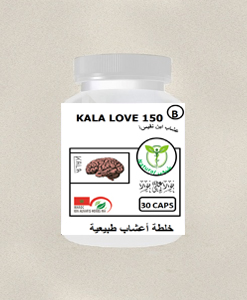
30 Capsules Small
500mg /capsule
Price : 50 $ USD
Another size
30 Capsules Big
775mg / capsule
Price : 75 $ USD
Composition :
Arctostaphylos uva-ursi / leaves (bearberry)
Pimpinella anisum / seeds (anise)
Equisetum arvense / buds (horsetail)
Phaseolus vulgaris / pods and seeds (common bean)
Urtica dioica / roots (nettle)
KL K36 B N :
Product based on natural medicinal plants, belongs of the third drug generation, it is without side effects, adjuvant in the treatment : urinary tract disorders and in the prevention of kidney dysfunction.
Depending on the progression or severity of the condition, a specific product from the range is recommended: KL K 36 B N / KL K 36 B+ / KL K 36 B++ / KL K 36 B G13 / KL K 36 B G13 +.
Indications:
- Renal and urinary function disorders.
- Renal dysfunction (inflammation, moderate renal failure, autoimmune kidney disease).
- Urinary incontinence, water retention, urinary tract obstruction.
- Renal vascular hemodynamic imbalance.
- Water, electrolyte, or acid-base imbalance.
- Metabolic disorders.
- Hypertension.
- Metabolic acidosis
Urinary System :
The urinary system is composed of: two kidneys, two ureters that carry urine from the kidneys to the bladder, a bladder that serves as a storage pouch between two micturitions and is equipped with a voluntarily controlled sphincter, and a single urethra.
The urethra is short in women, ending in the vulva, and long in men since it passes through the prostate and the penis.
The kidneys are vital organs with powerful functions essential to human health. They regulate the amount of water in our body, eliminate waste and toxins, and produce hormones that help regulate blood pressure, stimulate red blood cell production, and control calcium balance.
Every day, approximately 120 liters of blood are filtered, producing 1 to 2 liters of urine composed of waste and excess fluid.
The urogenital system is highly vulnerable to infections, which may become chronic and impair renal and urinary functions. The glomerular filtration rate can decrease by up to 50%.
Common infections and diseases of the urinary system:
- Cystitis, urinary incontinence, renal failure, enuresis, renal colic, kidney stones, adrenal insufficiency, urinary lithiasis, polycystic kidney disease, vesicoureteral reflux (VUR), cloudy or discolored urine.
Warning signs:
- Pelvic pain.
- Increased frequency of urination.
- Pain and burning sensation during urination.
- Difficulty emptying the bladder (dysuria).
- Frequent urge to urinate (pollakiuria).
- Hematuria (blood in urine).
- Strong ammonia odor in urine.
If the upper urinary tract (ureter, renal pelvis, calyces) is affected: high fever (39–40 °C), chills, lumbar pain, and impaired general condition occur.
If the lower urinary tract (urethra, bladder) is affected: urethritis or cystitis with burning during urination, hematuric or foul-smelling urine.
Urinary tract obstruction is a blockage that prevents normal urinary flow. It may cause kidney damage, kidney stone formation, or hydronephrosis (dilated kidney). Bilateral obstruction can lead to renal failure.
Obstruction is more common in men due to prostate hypertrophy (benign prostatic hyperplasia) or urethral stricture.
Bacteria such as Pseudomonas, Proteus, Enterococcus, P. aeruginosa can invade the urinary tract via the bloodstream, lymphatic system, or ascending through the urethra (most common route).
Risk factors for urinary infections and pyelonephritis:
- Sex: women are more affected because of shorter urethra and use of local contraceptives.
- Presence of risk conditions: kidney stones, pelvic organ prolapse, vesicoureteral reflux, or diseases/treatments that favor infections (immunodeficiency, diabetes, corticosteroid therapy).
- Failure to urinate after sexual intercourse.
- Congenital or acquired urinary tract abnormalities.
Metabolic dysfunction :
Chronic stress activates the autonomic nervous, neuroendocrine, and immune systems, increasing the risk of cardiovascular diseases.
Chronic stimulation of the hypothalamic–pituitary–adrenal (HPA) axis can lead to imbalance between anabolic and catabolic hormones, excessive visceral fat storage, and increased insulin resistance (pre-diabetes).
Acid–base balance :
The body ingests and produces acidic and basic substances daily. When acid–base balance is disturbed, excess acid waste is produced. The body then mobilizes neutralizing molecules or stores excess acids in connective tissue, potentially causing latent metabolic acidosis—a condition that predisposes to many diseases.
Acid load comes from diet and metabolism, while bases mainly come from vegetable consumption.
Disruption occurs when regulatory systems are overwhelmed and cannot eliminate acid wastes. Causes include excessive intake of acidifying foods, sedentary lifestyle, poor oxygenation (reducing kidney and lung elimination), stress, certain medications, and chronic diseases.
Over time, accumulation of acid waste may cause latent metabolic acidosis, impair oxygen transport and cellular nutrition, weaken enzymatic activity, compromise immunity, and increase risks of osteoporosis, cardiovascular and metabolic disorders (diabetes, hypercholesterolemia, hypertension, obesity, thyroid dysfunction)
Water and electrolyte balance :
This balance concerns the relationship between electrolytes (sodium, potassium, chloride, calcium, magnesium, phosphorus) and water in the body.
Pathological conditions or treatments (renal, pulmonary, cardiac insufficiency) may disturb it.
Fluid homeostasis is primarily regulated by the kidneys. Body fluid volume and electrolyte concentration are kept within narrow limits despite variations in diet, metabolism, and environmental stress.
Water accounts for 60% of body weight in men and 50% in women, with two-thirds in intracellular fluid and one-third extracellular (25% intravascular, 75% interstitial).
Water is mainly eliminated by urine (0.5 to several liters/day), skin evaporation, respiration, and feces. Physical activity, heat, or fever can increase water loss through sweating.
KL K36 B N Benefits:
– Contributes to the restoration of the body’s overall metabolic balance.
– Participates in the regulation and harmonization of urinary system function.
– Maintains hydric homeostasis and promotes physiological acid–base balance.
– Supports and optimizes renal function, which is essential for overall systemic balance.
– Helps reduce susceptibility to urinary tract infections and limits the risk of recurrence.
– Stimulates, without disrupting global immune function, the mechanisms involved in modulating autoimmune responses directed against the renal glomeruli.
– Contributes to the maintenance and improvement of renal health.
– Promotes the elimination of renal and ureteral calculi.
– Improves diuresis and participates in the regulation of urinary pH.
– Supports regenerative and protective processes of the urinary tract.
– Helps prevent the formation of renal and ureteral stones as well as the development of ureteral fibrosis.
– Contributes to the therapeutic management of prostatitis and uterine disorders.









Reviews
There are no reviews yet.