




Signup for our Newsletter!
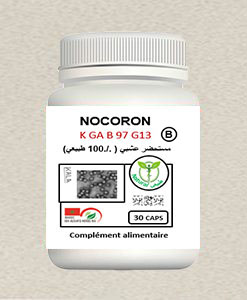
Pack Weight: 775mg / capsule.
Price : 219 $ USD
Composition :
Plantago lanceolata / leaves
Hyssopus officinalis / leaves
Viola odorata / flowers
Viscum album / whole plant
Thymus serpyllum / aerial parts
Pimpinella anisum / whole plant
KL G AB 97 G13
A natural product made from medicinal plants, belonging to the third generation of medicines, designed for immune modulation and as an adjuvant in the treatment of bacterial and viral infections, prevention of post-infection symptoms, and possible consequences following infection.
Different capsule dosages are prescribed (KL G AB 97 / KL G AB 97+ / KL G AB 97++ / KL G AB 97G13 / KL G AB G13 + ) depending on the severity of the disease.
According to studies, 87% of patients treated with chemical medicines continue to experience fatigue, shortness of breath, headaches, chest and joint pain, loss of taste (ageusia) and smell (anosmia), cough, and skin rashes after recovery. Other complications can affect hearing, cause brain fog, cardiac problems, and pulmonary fibrosis.
Indications :
– Viral infections (past, new, emerging), bacterial infections (Gram+, Gram–), and parasitic infections.
– Viral and bacterial infections of the upper respiratory tract.
– Prevention of new and seasonal viral infections.
PATHOLOGIES :
Viral, bacterial and parasitic infections have been known for decades, but the COVID-19 pandemic remains the most challenging scourge to eradicate for all humanity. A public health emergency of international concern was declared. The World Health Organization (WHO) called for essential protective measures to strengthen preventive hygiene (physical distancing, handwashing, regular ventilation of indoor spaces, and quarantine measures).
Despite containment measures, outbreaks multiplied. The economic, social and environmental consequences generate uncertainty and fears regarding the global economy, education, health and fundamental rights of populations worldwide.
Symptoms of the disease resemble those of influenza: fever, dry cough, muscle or joint pain, diarrhea, fatigue, sore throat, headache, sputum, loss of taste, loss of smell, nausea and vomiting, nasal congestion, and shortness of breath. Many carriers of the virus are asymptomatic or present mild symptoms without respiratory distress. More than 50 million 340 thousand people have been affected, and deaths continue to rise.
Virology:
Coronavirus is an RNA virus with a strong propensity to mutate to adapt to its host and environment (single nucleotide polymorphism, SNP). Some mutations lead to higher virulence. Two types of coronavirus have been identified: L and S, differing by their surface receptors. The S type caused the initial epidemic (30%), while the L type adapted to humans, becoming more virulent and more contagious (70% of cases).
Using spike proteins on its surface, the virus binds to the ACE2 receptor (angiotensin-converting enzyme 2) to enter the host cell. High ACE2 expression is observed in cells of the nasal mucosa, lung cell membranes, arteries, heart, kidneys, gastrointestinal tract, cerebral cortex and brainstem — making viral entry easier.
Pathophysiology:
Systemic vascular inflammation induces microcirculatory disturbances, damaging the heart and potentially causing pulmonary embolisms or obstructing blood vessels (viral penetration of the endothelium) in the brain or gastrointestinal tract. Young people’s endothelium generally resists better than that of diabetics, hypertensive or cardiovascular patients, which explains differences between individuals.
Treatment:
WHO states that there is no specific treatment for COVID-19 and that only symptoms can be managed. Non-steroidal anti-inflammatory drugs may aggravate the infection. No specific medication exists; treatments are being studied in clinical trials.
Vaccines:
52 vaccines were under development to stimulate the immune system to produce effective antibodies against coronavirus and break human-to-human transmission. Types include:
– Genetic vaccines (mRNA or DNA): deliver one or more coronavirus genes into cells to induce an immune response.
– Viral vector vaccines: penetrate cells and direct them to produce viral proteins; some replicate slowly and present coronavirus proteins on their surface.
– Inactivated or attenuated vaccines: derived from weakened coronavirus strains using chemical or physical processes.
Coronavirus transmits and replicates very quickly. The spike surface protein enables cell entry; mutations of this protein drive coronavirus variation, making it difficult to develop a universally effective vaccine.
KL G AB 97 G13 Benefits:
– Enhances immune defenses against bacterial and viral infections:
• Stimulates immune response during active infection.
• Inhibits viral replication by targeting the virus–host cycle at multiple stages through non-competitive enzyme inhibition.
– Improves immune response to bacterial and viral antigens via viscotoxin polypeptide binding to macrophage receptors, stimulating cytokine release, tumor necrosis factor (TNF), reactive oxygen species, and promoting T lymphocyte differentiation and proliferation.
– Stimulates natural killer (NK) cell activity.
– Promotes healthy differentiation of B cells and production of IgM.
– Inhibits viral components from entering cell bodies, enhancing immune response to viral glycoprotein production and reducing viral antigen production.
– Promotes phagocytosis of weakened cells.
– Alkalinizes plasma pH and increases core temperature by 1°C to inhibit viral proliferation and hematogenous spread.
– Responds selectively depending on infection type:
• Inhibits viral entry into host cells (preventive action).
• Inhibits viral gene expression and replication cycle.
– Antiviral and antibacterial properties:
• Promotes interferon production via macrophage stimulation.
• Supports humoral immunity (B lymphocytes) against extracellular pathogens.
• Supports cell-mediated immunity to remove infected or damaged cells.
– Inhibits furin enzyme activity, preventing viral attachment to healthy cells.
– Targets and blocks viral spike protein binding to host cells, weakening the virus and improving immune defense.
– Inhibits neuropilin-1 receptors on respiratory cells, reducing pulmonary viral infection severity.
Reviews
There are no reviews yet.