



Signup for our Newsletter!
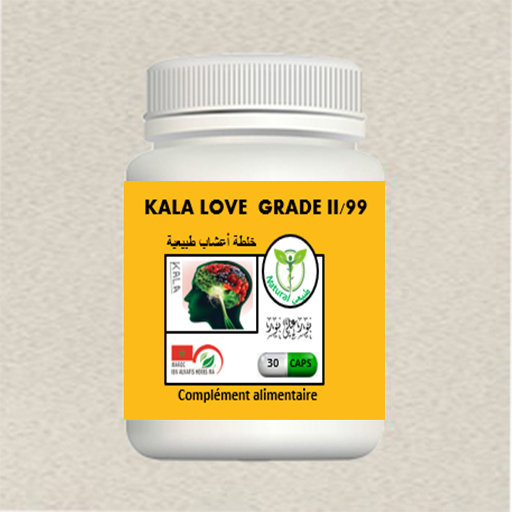
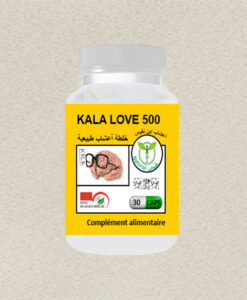
30 Capsules Small
500mg /capsule
Price : 287 $ USD
Another size
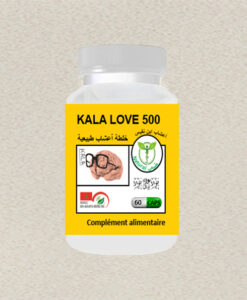
30 Capsules Big
775mg / capsule
Price : 430 $ USD
Composition :
Pimpinella anisum / seeds
Humulus lupulus / flowers
Melissa officinalis / leaves
Hypericum perforatum / flowers
Ocimum basilicum / aerial parts
KL GRADE II / 99 :
A product based on natural medicinal plants, belonging to the third generation of medicines, with no side effects, used as an adjuvant in the treatment of hormonal imbalance and mood disorders.
Indications :
– Hormonal imbalance.
– Sexual dysfunction.
– Delayed procreation.
– Urogenital inflammations.
– Stress, anxiety, and depression.
Human reproduction :
Human reproduction encompasses the processes by which a man and a woman generate a new individual. It is the only way to ensure the perpetuation of the human species. The reproductive function involves different processes in both sexes.
The nervous system (central, peripheral, and endocrine) plays a key role in all sexual behaviors in humans through hormonal secretions.
In men:
- Spermatogenesis (production of sperm cells) takes place in the seminiferous tubules where germ cells undergo mitosis and meiosis to produce gametes with half the genetic material. These spermatozoa are released into the lumen of the tubule, reach the epididymis, and acquire mobility and the capacity to fertilize the ovum. They mix with prostatic and seminal secretions to form semen during ejaculation.
- Testosterone, the testicular hormone produced by Leydig interstitial cells, stimulates spermatogenesis. This hormone is secreted in a pulsatile manner into the bloodstream. Even in small amounts, it maintains secondary sexual characteristics from puberty onwards.
Testosterone secretion is regulated at three levels:
- Anterior pituitary gland, which secretes two gonadotropins:
– LH (luteinizing hormone) for testosterone pulsatile secretion.
– FSH (follicle-stimulating hormone) for stimulating Sertoli cells, which secrete APB (androgen-binding protein), essential for testosterone fixation on the walls of seminiferous tubules. - Hypothalamic complex, which secretes GnRH (gonadotropin-releasing hormone), triggering pulses of LH and FSH.
- Testicular negative feedback, to maintain testosterone levels around 5 mcg/l: this negative feedback reduces GnRH secretion, consequently lowering LH secretion, leading to decreased testosterone production.
In women:
The ovarian cycle involves the development of follicles through primary, secondary, and tertiary stages, with rapid growth until reaching the Graafian follicle stage. It detaches from the granulosa, enters the follicular cavity, and transforms successively from primary oocyte (I) to secondary oocyte (II), then finally into an ovum under the influence of hormones secreted by interstitial cells, activating mitosis and meiosis.
Ovulation occurs, and the remaining ruptured follicle transforms into the corpus luteum, which regresses while acquiring a yellow pigment. Granulosa cells multiply and transform into luteal cells. If fertilization does not occur, a new cycle begins.
Hormonal control is ensured by:
- Estrogens, secreted by follicles (first peak before ovulation) and by the corpus luteum (second peak before their drop), triggering menstruation.
- Progesterone, produced by luteinized cells of the corpus luteum. If fertilization occurs, progesterone levels remain elevated.
Cycle regulation involves:
- Hypothalamic-pituitary axis:
The pituitary secretes FSH, which stimulates follicular cell growth and maturation, leading to estrogen secretion. It also secretes LH, inducing corpus luteum formation and progesterone production. - Ovarian negative feedback:
The estrogen-progesterone pair exerts negative feedback on the hypothalamic-pituitary complex, preventing development of new follicles. The corpus luteum degenerates, estrogen and progesterone concentrations fall, negative feedback diminishes, FSH increases, and a new cycle begins.
Inhibin secretion by Sertoli cells (in men) and granulosa cells (in women) has:
- Endocrine effect: reduces FSH production.
- Paracrine effect: stimulates androgen production and slows the conversion of testosterone to estradiol.
In drug addiction, hormonal balance required for reproduction is disturbed:
- In men: Reduced sperm production, motility, quality, and lifespan (only 4% of sperm are normal with regular cannabis use). Testosterone production is impaired, leading to erectile dysfunction.
- In women: Risk of infertility and ovarian cysts increases; miscarriage and ectopic pregnancy rates are higher. Fetal development may be affected as certain drugs cross the placenta (e.g. phytocannabinoids acting on the central nervous system, leading to babies with frequent tremors). THC reduces lactation in breastfeeding mothers. Opiate use during pregnancy can cause fetal dependence.
Hormonal imbalance can also result from lifestyle or environmental factors, including:
– Stress, depression
– Diseases such as diabetes, thyroid disorders, anorexia, Cushing’s or Turner’s syndrome, Addison’s disease, severe allergies or infections, tumors, and cancers
– Poor diet
– Overweight, exposure to toxins or harmful chemicals (asbestos, arsenic, benzene, cadmium, mercury, pesticides, etc.).
KL GRADE II / 99 Benefits :
– Contributes to the regulation of hormonal secretions.
– Stimulates the activity of sex steroid hormone receptors.
– Strengthens immune defenses to help prevent and combat urogenital infections.
– Helps maintain the physiological balance of both seminal pH and cervical mucus pH.
– Promotes pituitary secretion of luteinizing hormone (LH) and follicle-stimulating hormone (FSH) in cases of deficiency.
– Supports the balance of the limbic system, which plays a key role in regulating behavior, emotions, and memory consolidation.
– Encourages a positive mental state and personal fulfillment.
– Supports the development of self-confidence and inner harmony.
– Assists in the management of addictive behaviors and supports the withdrawal process.

Reviews
There are no reviews yet.