




Signup for our Newsletter!

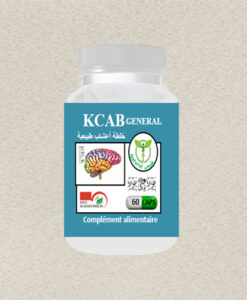
60 Capsules Small
500mg /capsule
Price : 98 $ USD
Another size
45 Capsules Big
775mg / capsule
Price : 110 $ USD
Composition :
Thymus serpyllum / aerial parts (wild thyme)
Salvia officinalis / leaves (sage)
Viola odorata / flowers (sweet violet)
Myrtus communis / leaves (myrtle)
Sambucus nigra / flowers (elderflower)
KALA LOVE 46/6+ :
Product based on natural medicinal plants, belongs of the third drug generation, it is without side effects, adjuvant in the treatment : respiratory disorders and asthma attacks.
Indications :
- Inflammation of upper and lower respiratory tracts.
- Bacterial and viral lung infections.
- Pulmonary circulation disorders.
- Airway obstruction.
- Pleural effusion.
- Weakness of respiratory muscles.
- Pulmonary fibrosis.
- Respiratory failure.
- Bronchospasm.
- Respiratory distress syndrome.
- Respiratory allergies.
- Allergic cough.
- Asthma.
COUGH :
Cough is not a disease but a symptom. It is a reflex involving a sudden and forceful expiration of air that helps clear the airways. A distinction is made between productive (wet) cough and dry cough, which is an irritative cough.
It can be caused by numerous conditions such as the common cold or respiratory infections. Most often, it is a viral irritative cough and may be associated with rhinopharyngitis, laryngitis, tracheitis, bronchitis, chronic sinusitis, allergic rhinitis, or a seasonal respiratory infection.
Deep cough tends to worsen when lying down or when the air is cold and dry.
Viscous sputum may be clear, yellowish, or greenish in color.
General discomfort may occur, including chills, fatigue, loss of appetite, headaches,body aches, and sometimes a mild fever.
Chest pain, a sensation of lung compression, and shortness of breath may also be present.
BRONCHITIS :
Bronchitis is an inflammation of the bronchi (airways that carry inhaled air to the lungs). Breathing becomes difficult due to swelling of the bronchial walls and mucus production, resulting in a deep cough.
It is usually a viral infection, often preceded by a cold or flu. The viruses are inhaled and then spread to the bronchi, making bronchitis contagious.
If bronchitis persists for more than three months, it may progress to chronic bronchitis. If it worsens, it can develop into pneumonia.
ASTHMA :
Asthma is a disease characterized by varying degrees of inflammation of the airways at the level of the bronchi and bronchioles. It manifests as difficulty breathing, shortness of breath, wheezing, or a sensation of chest tightness.
It is a chronic disease marked by attacks alternating with periods of normal breathing.
Persistent respiratory discomfort may occur and interfere with daily activities. Asthma is linked to an abnormal reaction of the airways to various stimuli (airborne allergens,
smoke, etc.).
During an asthma attack, the bronchi narrow due to inflammatory reactions and contraction of the bronchial wall muscles.
Both genetic and environmental risk factors are involved.
In 80% of cases, asthma is associated with respiratory allergies, and patients exhibit excessive bronchial sensitivity (hyperreactivity) to specific substances.
Inflammation of the airways leads to the production of thick mucus inside the bronchi, impairing airflow. The muscles surrounding the bronchi contract, causing airway narrowing and breathing difficulty.
Factors that may trigger an asthma attack include:
- Airborne allergens (dust, mold, pollen, animal hair, dust mites).
- Air pollutants (air pollution, smoke, etc.).
- Certain foods or food additives such as sulfites.
- Some medications (aspirin, beta-blockers, non-steroidal anti-inflammatory drugs, ACE inhibitors).
- Respiratory tract infections (common cold, bronchitis, sinusitis).
- Physical exercise involving exertion.
Poorly controlled asthma can lead to persistent symptoms, respiratory distress, and may be life-threatening.
Treatment aims to control the disease and significantly reduce the number of asthma attacks. There are two main types of treatment: corticosteroids, which reduce bronchial inflammation and provide prolonged dilation (administered via inhalation or tablets), and long-acting bronchodilators, which rapidly dilate the bronchi during attacks. Inhaled anticholinergics have a local effect on bronchial muscles. Digestive, cardiac, and neurological side effects should not be overlooked.
Asthma presents with different phenotypes, and treatment must be individualized.
Allergic asthmatics whose attacks are triggered by allergen exposure may receive injections of monoclonal antibodies that act at the origin of inflammation and allergic reactions, inducing tolerance or desensitization.
Patients must monitor their respiratory capacity and avoid exposure to factors that trigger or worsen asthma.
KALA LOVE 46/6+ Benefits :
– Activates and strengthens the immune response against viral respiratory infections.
– Stimulates the production and activity of phagocytic cells, enhancing the body’s defense against pathogenic agents (viruses and bacteria).
– Exerts a potent antioxidant effect by neutralizing free radicals, thereby contributing to a reduced risk of inflammatory and degenerative disorders, due to the presence of anthocyanins and flavonoids.
– Attenuates pulmonary inflammation while preserving the integrity and effectiveness of the immune system.
– Contributes to the prevention of pulmonary fibrosis and helps reduce arterial pressure within the pulmonary circulation.
– Activates the enzyme plasmin, promoting fibrinolysis and helping to prevent pulmonary embolism and pulmonary infarction.
– Regulates leukotriene synthesis, key mediators involved in bronchial and pulmonary inflammatory processes.
– Induces relaxation of bronchial smooth muscle through the action of theophylline; its interaction with β-adrenergic receptors in the bronchi leads to bronchodilation.
– Promotes regeneration of pulmonary capillaries and contributes to the management of bronchial asthma.
– Improves respiratory function and relieves wheezing and chest pain associated with asthma.
– Cleanses the respiratory tract and facilitates airflow.
– Clears the throat, opens the upper airways, and soothes cough.
– Liquefies bronchial secretions and facilitates their elimination through an effective mucolytic action.
– Modulates histamine H1 release, contributing to the regulation of allergic and inflammatory responses.
– Inhibits fibroblast growth factor (FGF), which is involved in the development of pulmonary fibrosis.
– Relieves bronchial obstruction, decongests the lungs, and supports freer breathing.
– Maintains pulmonary fluid balance.
– Soothes and treats pulmonary inflammatory processes.
– Helps prevent the progression and chronicity of respiratory infections.

Reviews
There are no reviews yet.