



Signup for our Newsletter!
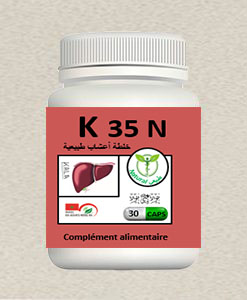
30 Capsules Small
500mg /capsule
Price : 30 $ USD
Another size
30 Capsules Big
775mg / capsule
Price : 45 $ USD
Composition :
Mentha piperita / leaves
Marrubium vulgare / aerial parts
Achillea millefolium / flowers
Artemisia absinthium / aerial parts
KALA LOVE 35 N :
Product based on natural medicinal plants, belongs of the third drug generation, it is without side effects, adjuvant in the treatment : liver disorders, toxicity, and hyperglycemia.
Product KALA LOVE 35 + is suitable for the more advanced stage, requiring a stronger therapeutic action.
Indications :
- Food or drug poisoning.
- Accumulation of toxins in the bloodstream.
- Hepatic colic.
- Glycemic instability and insulin resistance.
- Viral liver infections (A, B, C, D, G).
- Liver hypertrophy.
- Liver cirrhosis.
- Human fatty liver disease (when fat exceeds 5–10% of total liver weight).
- Liver failure.
- Hepatic intoxication.
- Autoimmune hepatitis.
- Hepatic encephalopathy.
Intoxication:
Intoxication can be accidental or intentional, and may be food-borne, respiratory, or drug-related.
It causes: abdominal pain, vomiting, diarrhea, salivation, pain when swallowing, respiratory difficulties, dilated or constricted pupils, headaches, confusion, nausea, disorientation, lack of concentration, loss of appetite, and coma.
Nephrotoxicity induces acute renal failure due to tubular necrosis, mainly affecting the proximal tubules.
Hepatotoxicity damages liver cells or blocks bile flow out of the liver.
Respiratory intoxication occurs with heavy metal inhalation (lead, mercury, cadmium, arsenic, chromium, manganese, fluorine…). When these particles bypass the nasal and upper airway mucus filters, they lodge in pulmonary alveoli, causing neurological, hematological, allergic, and carcinogenic toxicity.
Toxins trigger autoimmune reactions affecting joints and muscles, causing tissue inflammation or immune responses that manifest as pain.
Skin intoxication leads to bluish discoloration, abdominal pain, and increased heart rate.
Achalasia may occur following intoxication, where food no longer passes through the digestive tract due to nerve cell destruction in the esophagus.
Intoxication also disrupts intestinal microbiota balance and increases inflammatory byproducts.
Liver:
The liver is the largest organ in the human body (1.5 kg) and the most vascularized, containing 10% of total blood volume with 1.4 liters per minute passing through. It is located in the upper abdomen, partly protected by the ribs, and plays multiple vital roles within the digestive system.
Anatomy:
It has four unequal lobes (right, left, caudate, quadrate) divided into eight segments. The gallbladder is attached at the junction of the quadrate and right hepatic lobes. Two main vessels supply it (hepatic artery and portal vein). Numerous bile ducts collect bile, transporting it to the common hepatic duct, which continues as the common bile duct.
The liver contains millions of hepatic lobules with a complex structure for bile production and blood exchange.
Functions:
- Stores carbohydrates, proteins, and lipids.
- Regulates blood sugar levels.
- Stores vitamins (A, B, C, D, E, K) and releases them as needed.
- Produces bile, bile acids, blood albumin, and immune defense proteins.
- Regulates blood lipid concentrations; synthesizes and degrades cholesterol.
- Stores iron and vitamin B12.
- Converts nitrogenous wastes into urea for kidney elimination.
- Eliminates metabolic waste.
- Plays a role in hormone metabolism and body temperature regulation.
- Detoxifies most ingested toxins and drugs into non-toxic compounds.
Since 1959, mass production of synthetic substances in intensive agriculture, industrial food, medicalization, and environmental pollution has harmed health. Thousands of man-made molecules remain unrecognizable by the liver, which cannot recycle them, leading to toxic overload and poisoning.
The liver also adjusts blood volume as needed: releasing blood to nourish muscles during activity and filtering it at rest. It is constantly moving to ensure proper bile, blood, and lymph circulation.
Symptoms of Liver Diseases:
Symptoms are often difficult to detect early. Disease progression depends on genetic predisposition and constitution, with symptoms appearing when liver cells are irritated or inflamed as they attempt self-repair.
Patients may experience:
- Dull pain in the upper right abdomen.
- Extreme fatigue due to changes in brain chemistry and hormone levels from impaired liver function.
- Fever or chills..
- Weight loss and appetite loss.
- Abnormal menstruation in women.
- Scrotal swelling or testicular atrophy in men.
In cirrhosis, additional signs include:
- Yellowing of skin and eyes (jaundice).
- Skin itching.
- Yellow urine and diarrhea due to unprocessed bilirubin.
- Easy bruising or bleeding (low platelet production).
- Stomach pain.
- Swelling of legs, ankles, and feet (fluid retention).
- Personality changes, concentration difficulties, confusion, or memory loss.
KALA LOVE 35 N Benefits :
- Eliminates toxins and purifies blood thanks to its polyphenol content.
- Protects against intoxication by degrading ingested substances that are hard to digest.
- A natural depurative and diuretic, supporting blood purification.
- Facilitates digestion (mechanical breakdown, absorption, elimination).
- Stimulates beneficial gut microbes by providing bacterial enzymes.
- Enhances intestinal nutrient absorption.
- Stimulates secretion of immunoglobulin A (IgA) for strong immune defense.
- Promotes bile production (due to peppermint) for better fat digestion.
- Stimulates T lymphocytes essential for immune regulation.
- Activates microsomes and hepatic enzymes, especially cytochrome P450, vital in drug metabolism.
- Improves blood circulation and energizes the body.
- Stimulates liver and kidneys to eliminate waste and neutralize circulating toxins.
- Reduces cellular oxidation, protecting the body from damage and disease.
- Effective antispasmodic and vermifuge (due to Artemisia absinthium).
- Protects against pathogens and has anti-inflammatory action.
- Prevents viral liver infections.
- Stimulates hepatocyte regeneration in cell damage (toxic, drug-induced, viral, autoimmune).
- Prevents necrosis, steatosis, and liver cirrhosis.
- Regulates blood glucose and prevents insulin resistance.
Reviews
There are no reviews yet.