
Autism
Definition and Characteristics
Autism Spectrum Disorder (ASD) remains complex and ambiguous due to the persistent challenges in establishing an accurate diagnosis.
It is a rapidly increasing neurodevelopmental disorder worldwide, characterized by:
- permanent intellectual and behavioral impairment.
- qualitative alteration of social interactions and communication.
- repetitive and stereotyped behaviors.
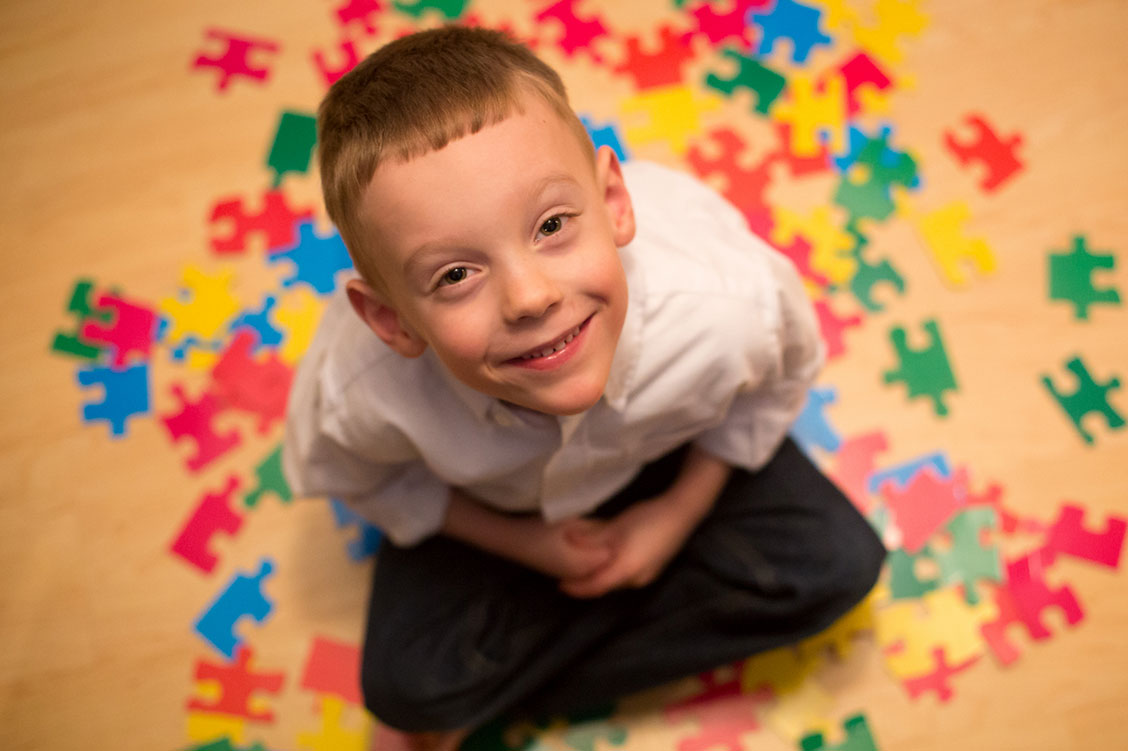
Clinical signs usually appear around 12 months, with more evident fluctuations between 18 and 24 months. Autistic children often display social withdrawal, lack of eye contact, limited facial expression, hypersensitivity, and self-stimulatory behaviors.
Historical Background :
- 1938: First case described by psychiatrist Lykan (Mississippi, USA).
- 1943: Theory of the “refrigerator mother”.
- 1980: Autism classified separately from schizophrenia.
- 2007: April 2 declared World Autism Awareness Day.
- 2015: Causal link identified between neurotransmitter deficiency and autistic behavior.
- Since 2019: Diagnosis possible from 14 months, with genetic expression analysis (nearly 65 implicated genes).
Risk Factors :
- Biological: cerebral dysfunction, brain lesions, immune-related infections, Fragile X syndrome, serotonin imbalance.
- Environmental: exposure to lead, mercury, and pollutants.
- Parental: advanced parental age.
Diagnosis :
ASD severity varies case by case, making diagnosis challenging. A complete medical evaluation is required, including:
- Developmental history and parental interview.
- Assessment of social, linguistic, cognitive, and adaptive abilities.
- Neurological and imaging tests (MRI, blood tests, clinical examinations).
Early diagnosis improves therapeutic outcomes, especially when combined with physiotherapy, psychomotor therapy, speech therapy, and educational interventions.
Nutritional approaches, such as the gluten-free and casein-free diet (Dan’s protocol), can be beneficial in some cases.
Clinical Forms of ASD :
- Infantile Autism: most common form.
- Asperger’s Syndrome: characterized by impaired social interaction but often excellent memory.
- Childhood Disintegrative Disorder (Heller’s Syndrome): manifests after the age of 2 years.
- Atypical Autism: combined deficits in comprehension and behavior.
Therapeutic Approaches :
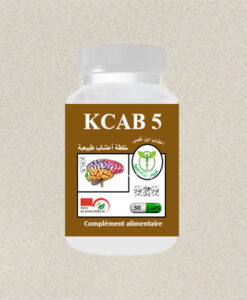
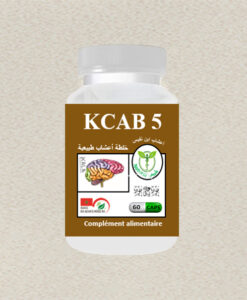
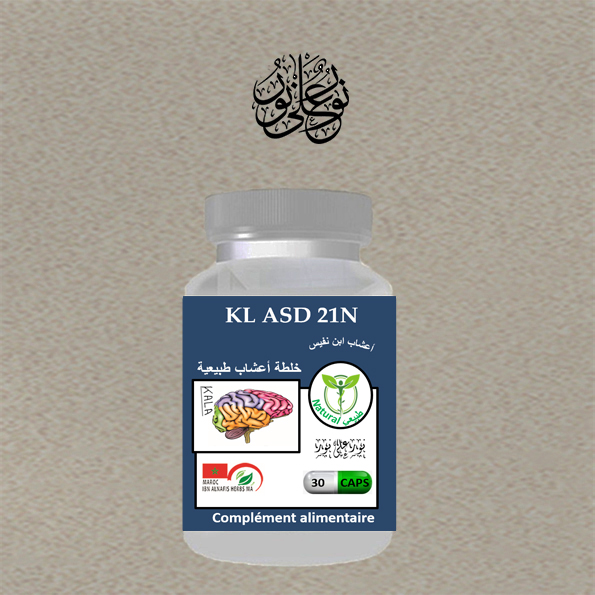
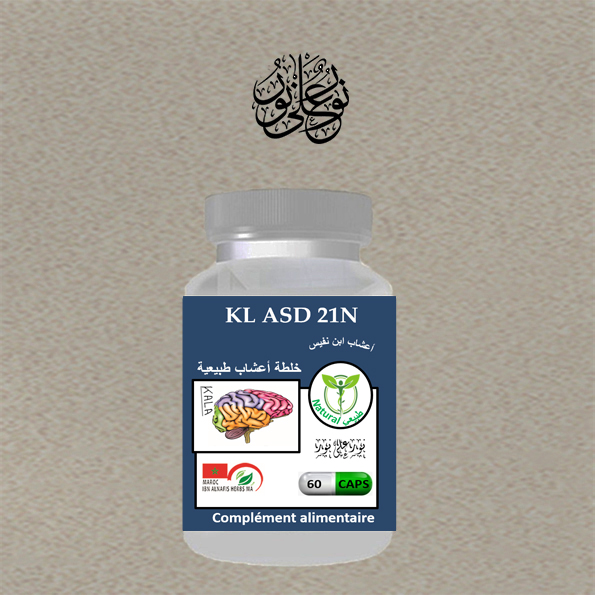
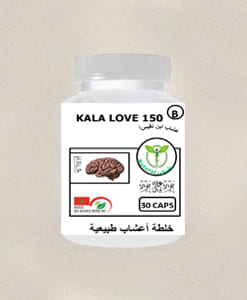
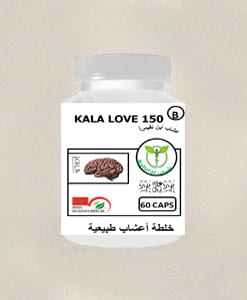
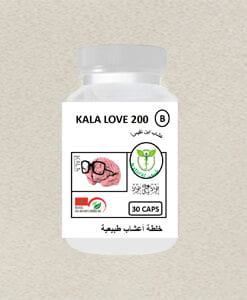
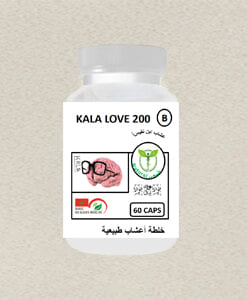
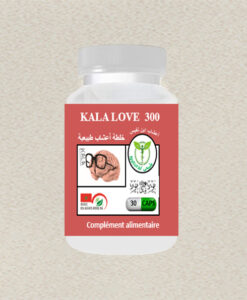
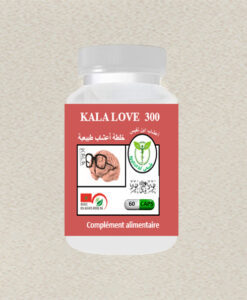
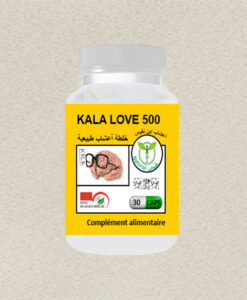
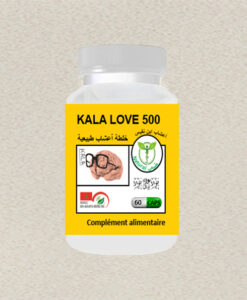
IBN ALNAFIS Therapy :
- A natural, plant-based treatment (3rd generation medicine) with no reported side effects.
- Studies (JAMA Pediatrics, October 2023) revealed that 37% of autistic children showed significant improvements in communication, social interaction, and behavioral regulation after 4 years of continuous follow-up, provided the diagnosis was early and accurate.
Therapeutic effects:
- Balances neurotransmission and neural reception.
- Enhances and multiplies neuronal connections.
- Supports detoxification of the brain.
- Promotes acquisition of language, communication, and adaptive social behaviors.
- Improves learning capacity, autonomy, and social integration.
Additional Interventions :
- Nutritional supplementation (vitamins, minerals).
- Physical activity adapted to the child.
- Music therapy and singing to enhance communication and reduce anxiety.
- Behavioral and cognitive therapy for adaptive social functioning.
- Active collaboration between parents and educators.
Indications of the IBN ALNAFIS Therapy :
- Autism spectrum disorder (with or without hyperactivity).
- Developmental delays in motor, language, cognitive, or metabolic domains.
- Neurodevelopmental disorders of varying severity.
- Neurological and behavioral imbalance.
- Neuropsychological disorders.