



Signup for our Newsletter!
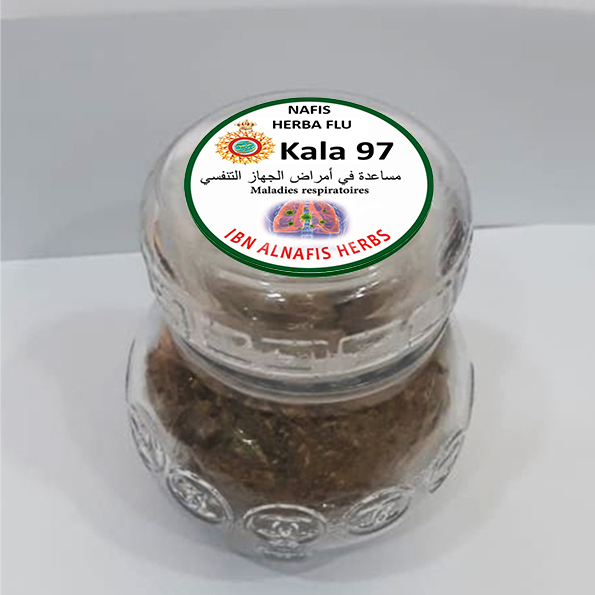
Pack Weight: 50g .
Price : 97 $ USD
Composition :
Plantago lanceolata / Leaves
Hyssopus officinalis / Leaves
Viola odorata / Flower
Viscum album / Whole Plant
Thymus serpyllum / Aerial parts
Pimpinella anisum / Plant
TEA 97 : Herbal infusion made from natural medicinal plants, free of side effects.
Indications :
– Seasonal respiratory infections.
– Bacterial or viral respiratory infections.
– Chronic respiratory inflammation.
– Respiratory symptoms in immunocompromised individuals.
Benefits :
– Supports the immune response against viral and bacterial infections by stimulating macrophages, dendritic cells, and natural killer (NK) cells.
– Alleviates symptoms associated with respiratory tract infections.
– Helps prevent and treat conditions such as the common cold and flu.
-Creates a natural “thermal protective barrier” by safely increasing internal body temperature.
Mechanism of Action – TEA 97:
Immunomodulation: Activates macrophage receptors via viscotoxins (polypeptides), triggering the production of cytokines (TNF), NK lymphocytes, and reactive oxygen species – crucial in fighting viral infections.
– T-cell stimulation: Syringaresinol (a complex polysaccharide) enhances production and immunostimulant activity of T lymphocytes.
– B-cell activation: Rhamnogalacturonan binds to IgM (immunoglobulin M) to reinforce immune protection.
– Antiviral blockade: High-quality lignans (phytoestrogens with antioxidant properties) prevent viral entry into cells. If breached, esculetin (a hydroxycoumarin) blocks the insertion of viral genome into the host cell.
– Hemagglutinin inhibition: Slows the activity of hemagglutinin (HA), a viral surface antigen responsible for binding viral particles to host cells and the synthesis of membrane glycoproteins.
– Phagocytic system activation: Stimulates the mononuclear phagocyte system (macrophages), which fights viral infections.
– Apoptosis induction: Promotes self-destruction (apoptosis) of infected or senescent cells.
– Mild hyperthermia induction: Supports natural fever response to combat pathogens.
– Plasma pH reduction: Due to shikimic acid from the plants, this reduces viral replication efficiency.
Reviews
There are no reviews yet.