




Signup for our Newsletter!
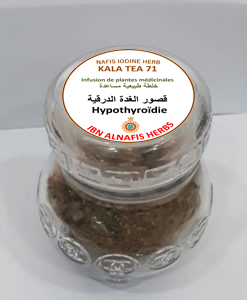
Pack Weight: 50g .
Price : 32 $ USD
Composition :
Fucus vesiculosus / Thallus
Medicago sativa / Leaves
Mentha piperita / Leaves
TEA 71 : Herbal infusion made from natural medicinal plants, with no side effects.
Indications :
– Hypothyroidism.
– Iodine deficiency.
– Slowed metabolism.
– Prevention of thyroid gland disorders.
Benefits :
– Naturally corrects iodine deficiency.
– Helps regulate weight and fight lethargy associated with thyroid insufficiency.
– Improves mood, mental clarity, and daily vitality.
– Contributes to the prevention of long-term complications linked to thyroid disorders.
Enhancing effect:
The effectiveness of Tea 71 is increased when used alongside:
– Tea 18 in cases of pharyngitis or laryngitis.
– Tea 61 for immune system disorders.
Hypothyroidism:
Hypothyroidism results from insufficient hormone production by the thyroid gland.
The thyroid plays a major role in regulating the basal metabolic rate of the body’s cells, controlling energy expenditure, body weight, heart rate, muscle strength, mood, cognitive function, body temperature, and digestion.
The two primary hormones secreted by the thyroid are T3 (triiodothyronine) and T4 (tetraiodothyronine or thyroxine).
Under brain regulation, the hypothalamus signals the pituitary gland to secrete TSH (thyroid-stimulating hormone), which in turn stimulates the thyroid to produce T3 and T4.
In hypothyroidism, TSH levels are elevated; in hyperthyroidism, they are low.
Causes of Hypothyroidism:
– Iodine deficiency, an essential trace element for the synthesis of thyroid hormones.
– Hashimoto’s thyroiditis: an autoimmune disease where the immune system attacks the thyroid, often triggered by stress or viral infections.
– In predisposed individuals:
- Radioactive iodine therapy, thyroidectomy, or radiotherapy.
- Postpartum thyroiditis: occurs in 40% of women after childbirth.
- Certain psychiatric or cardiac medications.
- Congenital anomalies: impaired thyroid function from birth.
- Pituitary dysfunction.
- Bacterial or viral thyroid infections.
Symptoms:
– Fatigue, cold intolerance, weight gain despite low appetite.
– Slowed heart rate causing shortness of breath.
– Irritability or depression.
– Joint pain and stiffness.
– Constipation.
– Puffy face and eyes, pale dry skin, dry and brittle hair, fragile nails.
– Deepened, hoarse voice.
– Irregular menstrual cycles or infertility.
– Confusion and memory loss.
Congenital Hypothyroidism:
In newborns: short stature, jaundice, persistent lanugo, bluish circles under the eyes, constipation, poor feeding, thick tongue, hoarse cry, dry skin, muscle hypotonia, drowsiness, and delayed psychomotor development.
In children: stunted growth, enlarged calf muscles, and reduced school performance.
Complications:
– Myxedema: facial puffiness, yellowish skin tone, thick and dry skin.
– Coma: can be triggered by infections, cold, trauma, or surgery.
– Increased risk of cardiovascular disease.
– Hematological abnormalities.
– Ionic and metabolic disturbances.
Conventional Medical Treatment:
Substitutive therapy with synthetic thyroid hormones (T3 and T4), monitored every three months.
In cases of central hypothyroidism (pituitary dysfunction), T4 levels must be monitored directly.
Advice:
– A healthy, varied diet rich in trace elements: iodine (150 µg/day), selenium (70 µg/day), zinc (8–11 mg/day).
– Some foods (high in fiber) and supplements (e.g., iron) may impair thyroid hormone absorption.
→ It is recommended to take thyroid medication away from meals to optimize absorption.

Reviews
There are no reviews yet.