




Signup for our Newsletter!
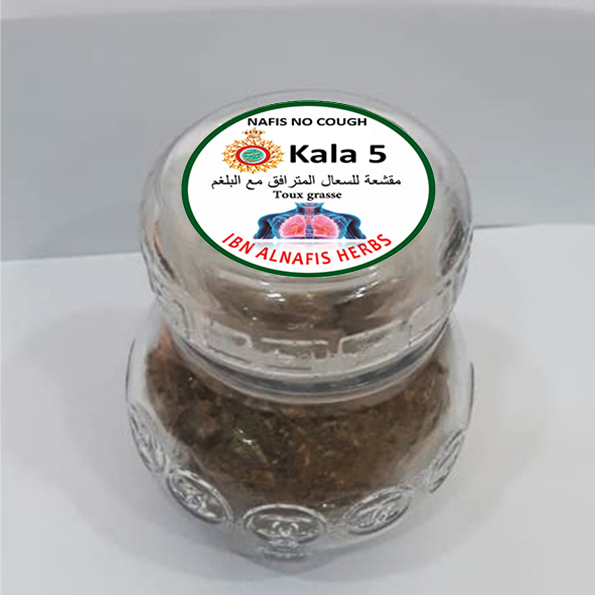
Pack Weight: 50g .
Price : 13 $ USD
Composition :
Salvia officinalis / leaves
Hyssopus officinalis / leaves
Thymus serpyllum / leaves
Malva sylvestris / flowers
Papaver rhoeas / buds and flowers
TEA 5 : Infusion made from natural medicinal plants, with no side effects. Third-generation herbal formula.
Indications :
– Productive (wet) cough.
– Respiratory tract infections.
Benefits :
– Soothes acute and chronic cough.
– Gently liquefies mucus and facilitates its expulsion.
– Softens and purifies the respiratory tract, thanks to its mucilage-rich ingredients.
– Useful in cases of pharyngitis, bronchitis, and colds.
Enhancing effect:
The effect of TEA 5 is more beneficial when combined with:
– Flu or cold: infusion 12.
– Respiratory infections: infusion 46.
Wet Cough
Noisy coughing, a manifestation of many disorders, is a natural defense mechanism of the body.
It is triggered by irritation of the airways or organs of the neck, chest, or abdomen, all linked to the vagus nerve. This nerve sends signals to the cough center located in the medulla oblongata, just above the spinal cord.
Coughing enables the expulsion of air, mucus, or foreign particles from the respiratory tract.
Unlike dry cough, wet cough is productive, meaning it helps clear the lungs by evacuating mucus.
It occurs in both mild (cold, sore throat) and serious respiratory diseases (asthma, bronchitis, cystic fibrosis, lung cancer), and may be worsened by environmental factors like smoking, pollution, or sudden temperature changes.
It may be hoarse in laryngitis, or wheezing in bronchitis.
The expectorated material (phlegm) is a thick fluid composed of water, mucus, bacteria, viruses, and white blood cells.
Although generally benign, wet cough can indicate serious conditions such as :
– Chronic bronchitis.
– Bacterial infections.
– Pneumonia.
– Pulmonary edema.
– Tuberculosis.
– Asthma.
It may be accompanied by purulent mucus, blood, vomiting, fever, or fatigue.
Recommendations :
– Stay well hydrated: drink over 1.5 L of water daily.
– Air out living spaces and use a humidifier.
– Purify the bedroom air to reduce allergens.
– Avoid irritating substances (smoke, pollutants).
– Clear the nose using saline or seawater sprays.
– Do not take antitussive drugs, as mucus needs to be expelled.
– Exercise regularly: walking, swimming.
– Avoid stress, anxiety, and depression.
Causes of Cough:
Cough reveals respiratory involvement and may be caused by:
– Asthma: inflamed, hyperreactive bronchi trigger coughing.
– Heart failure: bronchial hyperreactivity due to fluid and salt overload.
– Gastroesophageal reflux: esobronchial reflexes activate nerves in the esophagus and bronchi.
– COPD (chronic obstructive pulmonary disease): inflamed, infected bronchi produce mucus; the cilia attempt to clear them.
– Lung cancer: causes irritation and excessive fluid secretion.
– Tobacco smoke: disables ciliary function.
Treatment :
Cough treatments aim to stimulate mucus production and reduce its adhesion, allowing it to be expelled naturally.
For productive cough, medications help eliminate secretions and prevent bronchial obstruction.
Antitussives are not recommended, as suppressing the cough reflex can worsen congestion.
Reviews
There are no reviews yet.