



Signup for our Newsletter!
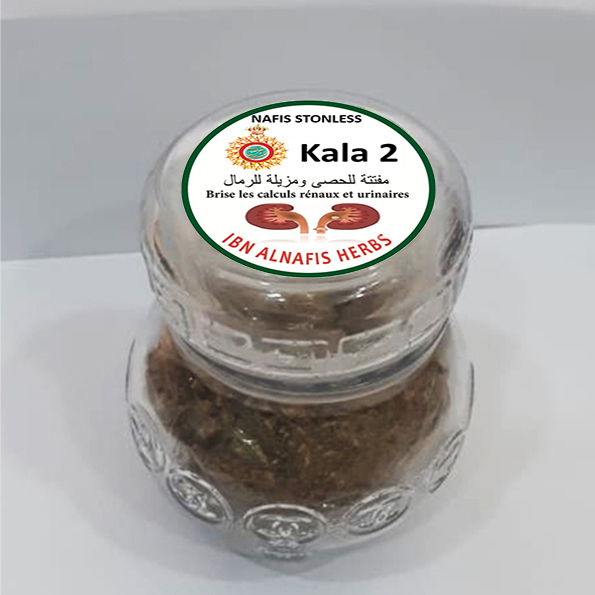
Pack Weight: 50g .
Price : 18 $ USD
Composition :
Ammi visnaga / fruit
Ononis spinosa / roots
Urtica dioica / roots
Equisetum arvense / shoots
TEA 2 : Herbal infusion made from natural medicinal plants, third-generation formulation, with no side effects.
Indications :
– Urinary lithiasis (urinary sand or stones).
– Renal colic.
– Urinary tract inflammation.
– Prevention of urinary lithiasis.
Benefits :
– Eliminates urinary sand and fragments stones (calcium oxalate, uric acid, cystine).
– Prevents the formation of new stones.
– Relieves the pain associated with renal colic.
– Promotes diuresis and purifies the urinary tract
Enhancing effect:
The effect of Tea 2 is more beneficial if, in addition, one takes in the case of :
-Renal or urinary tract infection: Infusion 36.
-Renal colic: Infusion 53.
Urinary Lithiasis:
Urinary lithiasis is characterized by the formation of crystalline accretions (stones) within the urinary tract (renal cavities, ureters, bladder), originating from minerals dissolved in urine.
It may be associated with other conditions such as metabolic syndrome, high blood pressure, diabetes, osteoporosis, and chronic kidney disease, or reflect a pathophysiological process linked to multi-systemic involvement.
Urinary lithiasis is often idiopathic and asymptomatic until a stone obstructs urinary flow.
Renal colic manifests as acute pain in the flank or lower abdomen, with vomiting, agitation, hematuria, and fever in the case of superinfection.
When the stones reach the lower urinary tract, dysuria (painful or difficult urination) may occur.
The mechanism of stone formation is multifactorial and complex, involving:
– Genetic factors.
– Dietary habits.
– Acquired metabolic abnormalities.
Frequent urinary tract infections lead to the presence of cystine, which promotes stone formation.
Inflammation and oxidative stress contribute to the formation of the biological matrix of the stone.
Historically, kidney stones formed in the bladder, but due to improved hygiene, antibiotic use, and changes in diet, stones now more frequently appear in the kidneys.
Types and Composition of Stones:
– Stones may be pure or mixed.
– 80% are calcium oxalate.
– Uric acid stones are less common (10–15%).
– Other types are linked to specific metabolic disorders (e.g. calcium phosphate in renal tubular acidosis or hyperparathyroidism), cystine, protein stones, or drug-induced stones (medications that crystallize in urine).
Dietary errors promote the formation of:
– Calcium oxalate stones: via excessive intake of calcium, salt, and animal proteins.
– Uric acid stones: via precipitation of uric acid in acidic urine (pH < 5.5).
The main cause of urinary acidification is renal insulin resistance, seen in conditions such as:
– Diabetes.
– Abdominal obesity.
– Hypertriglyceridemia.
Other rare types include:
– Tubular acidosis.
– Cystine urinary loss.
– Stones made of anti-protease drugs (e.g. HIV medications).
Size and Impact:
– Stones vary in size: from a grain of sand to staghorn calculi that fill the renal pelvis.
– They may block a ureter, leading to hydronephrosis (distension of renal cavities due to urine buildup).
– Most cases are unilateral, so they do not lead to renal failure.
Recommendations:
– Maintain good hydration.
– Avoid sodas.
– Follow a low-salt, low-protein diet.
– Treat underlying hypercalcemia or hyperuricemia.
Reviews
There are no reviews yet.