




Signup for our Newsletter!

60 Capsules Small
500mg /capsule
Price : 1196 $ USD
Another size
45 Capsules Big
775mg / capsule
Price : 1345 $ USD
Composition :
Melissa officinalis / leaves (lemon balm)
Viola odorata / leaves and flowers (sweet violet)
Capsella bursa pastoris / aerial parts (shepherd’s purse)
Rosmarinus officinalis / leaves (rosemary)
Pimpinella anisum / seeds (anise)
Salix alba / leaves and bark (white willow)
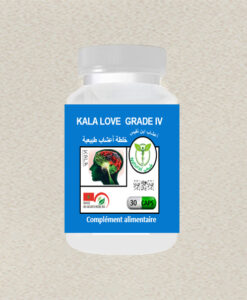
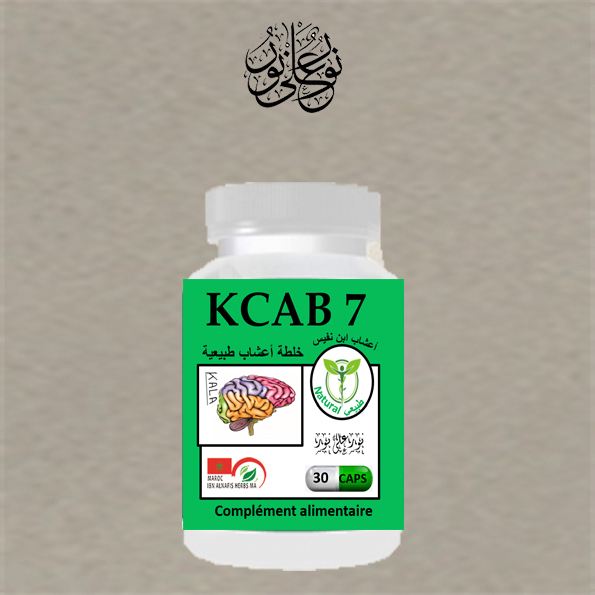
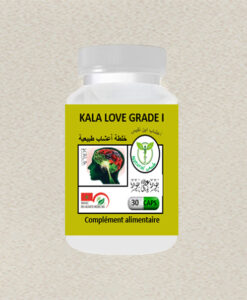
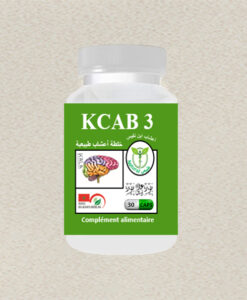
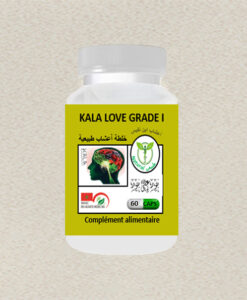
KL CA B G13 :
Product based on natural medicinal plants, belongs of the third drug generation, it is without side effects, adjuvant in the treatment : cerebral infections and benign and malignant brain tumors.
Indications :
- Benign and malignant brain tumors.
- Genetic diseases (trisomy, Down syndrome, Huntington’s disease).
- Neurodegenerative diseases.
- Neurotoxic poisoning.
- Birth-related encephalic lesions.
- Cerebral coma.
- Aging-related neuropathology.
BRAIN TUMORS:
Brain tumors are abnormal masses that grow uncontrollably within the brain.
Benign tumors:
Non-cancerous, grow slowly, remain localized without invading neighboring brain tissues, and do not spread to other organs. They may be removable or inoperable due to their location. Examples include: hemangioblastomas, meningiomas, pituitary adenomas, osteomas, pinealomas.
Malignant tumors:
Cancerous tumors, either primary (developing in brain tissue) or secondary (metastatic) from other organs (e.g., lung, skin/melanoma, kidney, colon). Tumor cells migrate via lymphatic pathways and proliferate in the brain.
Gliomas: from glial cells supporting neurons.
Medulloblastomas: from embryonic spinal cord tissue.
Symptoms:
- Frequent, intense headaches worsening with activity.
- Nausea and vomiting.
- Changes in personality, thinking, mood, behavior.
- Abnormal movements.
- Difficulty walking.
- Fine motor skill disorders.
- Difficulty swallowing and eating.
- Visual, hearing, and balance disorders.
- Drowsiness, fatigue, numbness of body parts.
- Confusion.
- Coma.
Risk Factors:
- Ethnic origin (Caucasian or African descent).
- Age (risk increases over 45 years; medulloblastomas common in children).
- Radiotherapy exposure.
- Ionizing radiation.
- Chemicals (pesticides, heavy metals like lead and mercury, nitrated compounds).
- Family history (moderate risk).
KL CA B G13 Benefits:
– Enhances immune defense mechanisms and contributes to the protection of unaffected organs.
– Counteracts tumor microenvironment–induced immunosuppression.
– Modulates immune checkpoint pathways that may impair T-lymphocyte recognition of tumor cells.
– Promotes neurogenesis and supports neurons undergoing degeneration or injury.
– Contributes to the regulation of molecular mechanisms involving chromosome 17, particularly those associated with Tau protein phosphorylation and neurotoxic amyloid plaque accumulation.
– Interferes with tumor-derived exosome–mediated signaling pathways.
– Supports the activity of the tumor suppressor gene p53 (located on chromosome 17), involved in the regulation of autophagy and apoptosis.
– Contributes to the inhibition of DNA polymerase theta activity, an enzyme frequently overexpressed in certain oncologic contexts.
– Stimulates T lymphocyte activation and promotes interferon production involved in the elimination of infected or abnormal cells.
– Supports neoneurogenesis through functional activation of glial cells, particularly astrocytes, which are involved in neuroprotection, neuronal trophic support, and modulation of neurotransmission.
– Contributes to the maintenance of immune system homeostasis.
– Promotes activation of immunoregulatory macrophages, thereby enhancing the antitumor immune response.

Reviews
There are no reviews yet.