



Signup for our Newsletter!
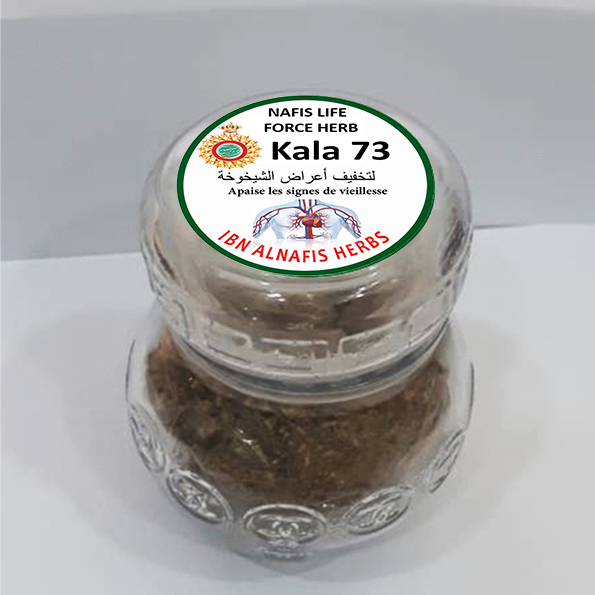
Pack Weight: 50g .
Price : 18 $ USD
Composition :
Crataegus azarolus / Leaves
Melissa officinalis / Leaves
Ginkgo biloba / Leaves
Panax ginseng / Roots
TEA 73 : A natural medicinal herbal infusion with no known side effects.
Indications :
– Symptoms of aging.
– Physical frailty.
– Memory disorders and concentration difficulties.
Benefits :
– Reduces fatigue and chronic exhaustion.
– Supports memory and cognitive focus.
– Improves peripheral blood circulation.
– Promotes mental calmness and alleviates symptoms of anxiety and depression related to aging.
Aging:
Aging is a natural stage of life. For some, it is experienced as a decline marked by physical changes, cognitive decline, and loss of independence. It may bring a sense of uselessness. For others, it symbolizes wisdom, experience, and the desire to pass on knowledge.
Aging involves anatomical and physiological changes that affect tissue, organ, and systemic functions.
Cell division capacity declines. Aging cells lose parts of their DNA, accumulate fatty and fibrous tissue, and specialized cells lose efficiency. The pigment lipofuscin builds up in nerve, heart, and liver cells, impairing their function. The cell nucleus degenerates, reducing the ability to regenerate and repair tissue.
Red blood cell count and hemoglobin content decrease. Lymphocytes decrease, neutrophils increase, and disease resistance weakens.
Musculoskeletal and Connective Tissue Changes:
– Muscle atrophy.
– Decreased tone, strength, endurance, and agility.
– Calcification and ossification of ligaments.
– Joint space narrowing.
– Bone demineralization, increased fragility and porosity.
– Jawbone recession and dental displacement.
– Spinal column shortening.
– Slower epidermal turnover (from 20 days in youth to over 30 after age 50).
– Atrophy of sebaceous and sweat glands.
– Loss of subcutaneous fat.
Functional Physical Changes:
– Slower peripheral system response.
– Reduced motor coordination, balance, and reaction time.
– Physical strength decreases by up to 30% by age 80.
Internal Physiological Changes:
Nervous System: Neuron and neural circuit loss.
Sensory Organs: Decline in vision, hearing, smell, taste, and increased pain threshold.
Respiratory System:
– Nasal mucosa loses filtration function.
– Mouth breathing and rhinorrhea cause bronchial dehydration.
– Tracheal dilation and mucosal atrophy.
– Alveolar elasticity loss.
Digestive System:
– Muscle tissue involution impairs chewing.
– Salivary glands atrophy.
– Poor food selection.
– Gastric mucosal atrophy and decreased hydrochloric acid secretion.
– Reduced gastric tone and mobility.
– Carbohydrate and fat malabsorption leads to bloating, gas, and constipation.
Cardiovascular: Myocardial hypertrophy, increased blood pressure
Renal: Glomerular filtration decreases by 50%, altered urination patterns
Cognitive: Perception, orientation, judgment, and learning become slower
Memory: Short-term and sensory-linked memory declines.
Endocrine/Metabolic:
– Impaired glucose and thyroxine metabolism.
– Adrenal dysfunction.
– Decreased basal metabolic rate.
Reproductive:
– Hormonal decline leads to reduced sexual function.
– Sexual expression also depends on nervous and sensory integrity.
Immune System:
– Slower immune response and relative immunodeficiency.
Biological Rhythms/Sleep:
– Lighter, fragmented sleep with altered timing.
Recommendations:
– Maintain a healthy, age-defying diet.
– Support skin and tissue regeneration.
– Consume antioxidant vitamins (A, C, E), vitamin D, minerals (selenium, zinc, copper, manganese, sulfur, magnesium), isoflavones, cysteine, carotenoids, polyphenols.
– Stay hydrated—water is the best natural detoxifier.
– Use anti-aging skincare and engage in safe physical activity.
– Promote healthy aging and combat social isolation.
Reviews
There are no reviews yet.